
The legacy of Béla Lugosi, the world’s most famous vampire
Welcome to the „re-vamped” Autumn Halloween edition of this particular article, as this perennial story of mine always returns to the surface at this time of year.
For those new to the real deal, other than what’s obvious with Dracula, here is a brief, and perhaps unexpected “en-Count–er”, which is often best kept for dark and stormy nights, and Halloween seasons alike. Not that the phantom of darkness needs an introduction. But few can actually recall who was the original actor behind the cape of this world-famous spectre. It’s worth a reminder, as the first-of-many to take to this distinguished role, in the initial Dracula film phenomena that premiered in 1931, was Hungarian Béla Ferenc Dezső Blaskó (1882 – 1956), who is better known as Béla Lugosi. However, Lugosi was over-shadowed by his very own Dracula spectacular stage persona, which became his ultimate, unshakable identity and legacy forever more.
Playing this singular part to perfection placed him in cinema history. But taking this, what was unexpectedly to be, monumental part for the obviously lesser-known Lugosi also came with unexpected misfortune. As an equally large, unpredicted artistic setback struck Lugosi, and he became an obvious typecast. So much so, no one since his pivotal time has played this memorable part as well as this very capable Hungarian, who generally wanted to carry on acting, and did so for a while but all that came in was only within the limited sphere of the horror film genres. Unwittingly, for this newcomer to Hollywood his renowned “Dracula” film extravaganza in his early days was his ultimate peak, and came at a price of never having any further lead roles as anyone else beyond the realms of horror, as he so wanted. For him, the “end” had come far too soon. After the film played out, everyone’s association between this illustrious demon and the highly accomplished but forgotten film star became one and the same.
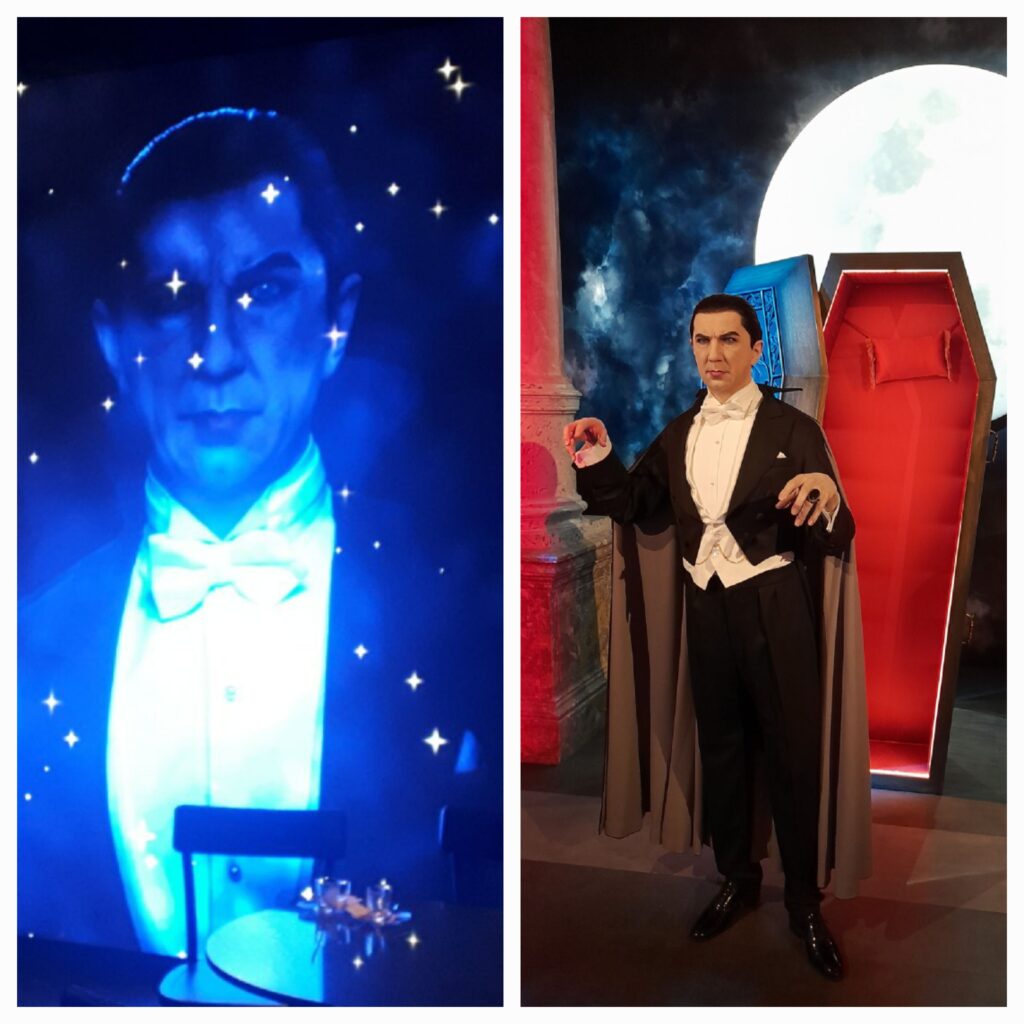 It was as if to say that Lugosi had perhaps given too much of himself to the part and it had really taken over his entire life, leaving him permanently stuck with it. No one saw him in any other guise ever again other than Dracula. So, the invincible Lugosi, either on or off stage, visiting the shops and beyond the grave, was and still is the ultimate vampire. Even a century later and still „count-ing”, he shows no sign of being either outdone or replaced.
Despite being briefly at the top of his beloved profession, the still comparatively famous has-been, but modest celebrity, far from home, never forgot his roots. As a touching tribute, he renamed himself after his former hometown of Lugos, a small town 350 kilometres south of Budapest, in what was then former Hungary. This was before the Trianon treaty of 1920, which saw Lugos passed on to Romania, where it is now officially known as Lugoj today.
Remarkably, before and during World War I, and those troubled times in general, the young Lugosi was a successful up-and-coming actor. He also briefly served in the army but suffered a minor injury. Soon afterwards Lugosi returned to the stage and was also briefly involved with some minor film-making roles, mainly in Budapest, Szeged, Debrecen and Temesvár (Timișoara in Romania today.) But due to his strong leftish political views at that distinct time, as well as with general political strife here in Hungary and Europe-wide in general. Lugosi had to flee this region altogether, which he did in 1919.
The following year, whilst in Germany, a chance to go to the United States came up. To achieve this, he worked as a seaman on a merchant ship that sailed to New Orleans. From there he made his way to New York City, where he worked briefly as a labourer whilst settling in with the Hungarian community. He also began to tread the boards again in several local theatre productions before breaking into his first English Broadway production, The Red Poppy, in 1922. Perhaps needless to say, but before hitting the big-time Lugosi relished the obvious abundance of far greater artistic roles and freedom. He took to playing a variety of diverse roles ranging from Shakespeare to comedy, tragedy, classical and romantic leads, in which he flourished while on the road with travelling theatre companies.
But this came to a halt in 1927, as a whole new project came in. Lugosi was offered the lead role in the Broadway production of the newish and yet to be finally globally renowned Bram Stoker’s 1897 dark Gothic novel, Dracula. The show ran for 33 weeks on Broadway and followed with a successful tour that concluded in California. By reaching this newfound height in theatre, Lugosi inadvertently knew it was his calling at “end-stop Hollywood” and had to stay, which he did, to see his next follow-on, a once-in-a-lifetime chance through.
For him, he was already halfway there with his impressive repertoire. His chance to fulfil stepping onto the silver-screen assuringly came almost immediately, when the still relatively unknown migrant – coincidently from “vampire territory” within the realms of Central Europe – was aptly chosen for the starring role in the Universal Pictures’ screen production of what unwittingly was going to be his crown. The world premiere of Lugosi’s Dracula in 1931 propelled not so much him but rather his new and over-powering alter ego into superstardom.
Everything changed in his life when the immaculately dressed Lugosi stepped into the film spotlight. His forbidding way of welcoming people, the aristocratic touches and his menacing looks all clearly define what everyone sees as Dracula – Béla Lugosi’s Dracula – then as well as now. This was his achievement and accolade alone, as no future vampires came anywhere close.
During that time, he was the film personification of a dark, evil force and cinema audiences really did scream and hide behind chairs in terror. The masses were simply not familiar yet with vampire-lore, and movies in general were still relatively new. But this particular gilded black and white breakthrough film extravaganza with its symbolic Translyvanian-esque settings was clearly not only a new era in film-making but was a resounding success.
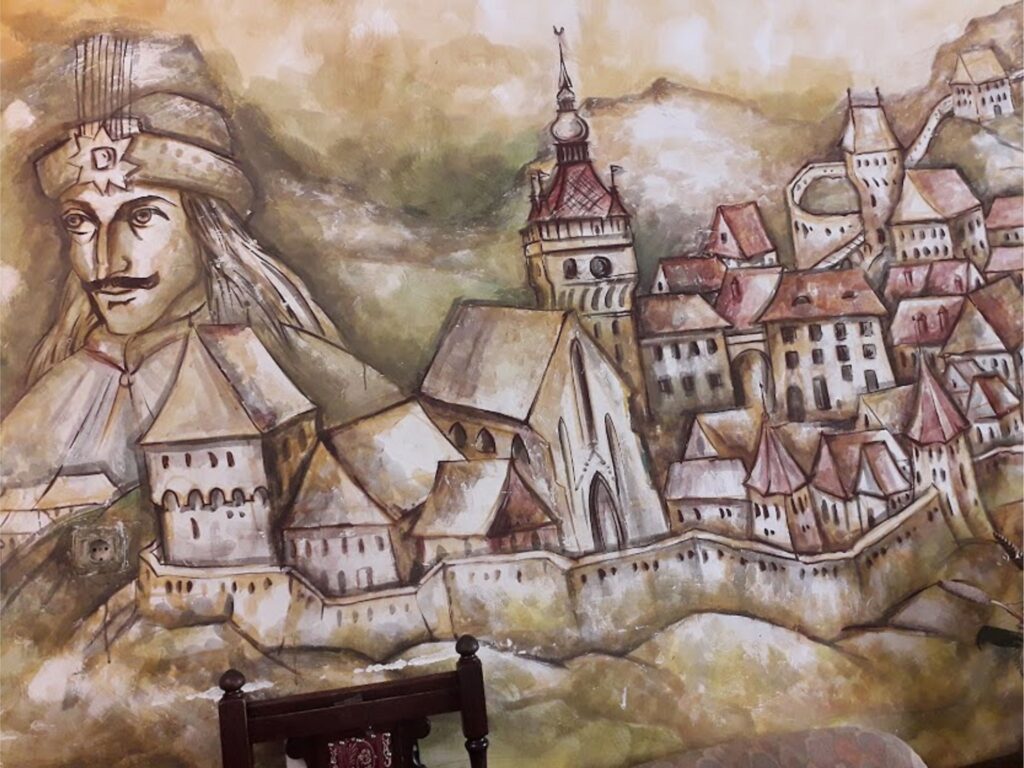
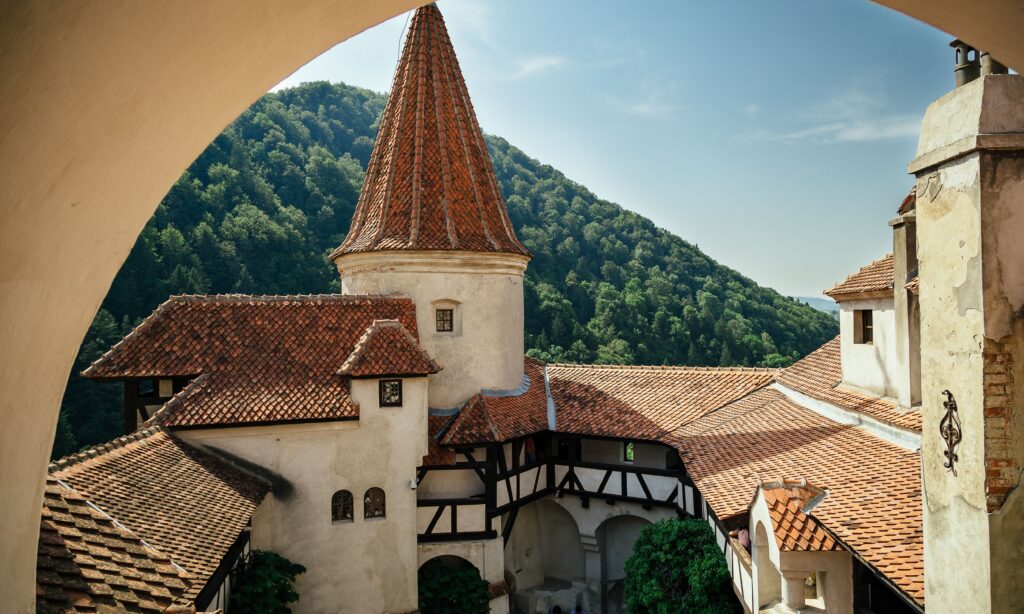
Sometime after its initial spin, the once-so-new Dracula theme eventually wore thin and became highly cliché-ridden. Anything relating to teeth marks on necks of pretty young girls, bats flying around moonlit castle and château tops and so-forth, would have little impact with audiences today. Not that any dismissive aftermaths would demean the credibility of original grand-master Lugosi himself. He and his infinite nemesis did not have to prove themselves to anyone and they were and still are the originals and way above cinematic clichés and general critics alike.
Throughout this brief time at the top, Lugosi, the horror film icon, also took to other spin-offs that duly played out. But eventually and understandably, fatigue dawned on the artist as the challenge of playing these similar roles was gone. Despite his obvious popularity, his distinctly accented English, combined with his looks, charm, mannerisms and his extraordinary stare became all too over-familiar with the public and film management alike. All of which limited his future prospects and repertoire altogether.
In this unique and one-off case, the price of fame was the eventual curse of having to live with “Dracula” all the time. Even his high acting ability could not shrug off this possessive phantom. It got worse, reaching the point where almost everyone stopped using his real name and simply called him “Dracula”, or words to that effect, continuously, on or off stage, no matter the occasion and wherever he went. Even beyond his time.
What could have been a splendid film vocation for this highly accomplished actor never inherently was. The brilliant but mis-spent Lugosi and his career went into abject decline. He began a drug dependence which become well-known. Still talented but more erratic, the maestro tried to keep busy with light studio work, but still living with the “Drac” tag, all remained hopeless. The unfulfilled and spooked-out has-been „vamp” also married five times but became a struggling father when his only child, Béla George Lugosi, was born in 1938.
But not all was lost, there was still plenty of “bite” and dignity with the unabashed Lugosi when he made returns to small local theatres. Also, he made plenty of personal appearances as he became dependent on live shows and small entertainment venues to support his family.
Later, the ambitious but financially insecure film-maker Ed Wood, a fan of this lost-star, found him living in near-poverty and gave him new star billing in not so eventful, low-budget films with similar supernatural themes. Although grateful for a moderate comeback, how was this ever going to be as spectacular as before?
Lugosi died of a heart attack on 16th August 1956 in Los Angeles. He was 73 and was laid to rest wearing one of his familiar cape costumes in nearby Culver City. There is a highly deserved Lugosi star on the Hollywood Walk of Fame.
His unforgettable performance as Dracula, which was done to perfection, is still talked about favourably today. Lugosi’s lines from that film have become some of the most repeated in movie history: “I am…Dracula. I bid you welcome. Listen to them, the Children of the night. What music they make,” and “This is very old wine. I hope you will like it;” which is aptly followed by “I never drink….. wine.”
His path in life was where few have been. Even beyond the grave, the influential Lugosi still reigns supreme as his one and only distinct icon. This was a double act, as both Lugosi and Dracula, regardless of differences and temperaments, ultimately needed one another in order to be remembered in the long term, with remarkable results. Hopefully this legendary star is now set free, knowing his unique accomplishment of fulfilling such an immortal legacy has been fulfilled in later times with general periodicals and chronicles today.
So much so, the Dracula symbol, branded by Lugosi, has gone beyond the realms of cinema and storytelling, and has been recently incorporated with cartoons, teddy-bears, children’s stories and TV, most notably “Sesame Street”. Although these newer, lighter creations are essentially soft and friendlier, the essence of all these commercial enterprises remains the same. It is still Béla Lugosi’s imprint which is forever in place – with each and every one of them!
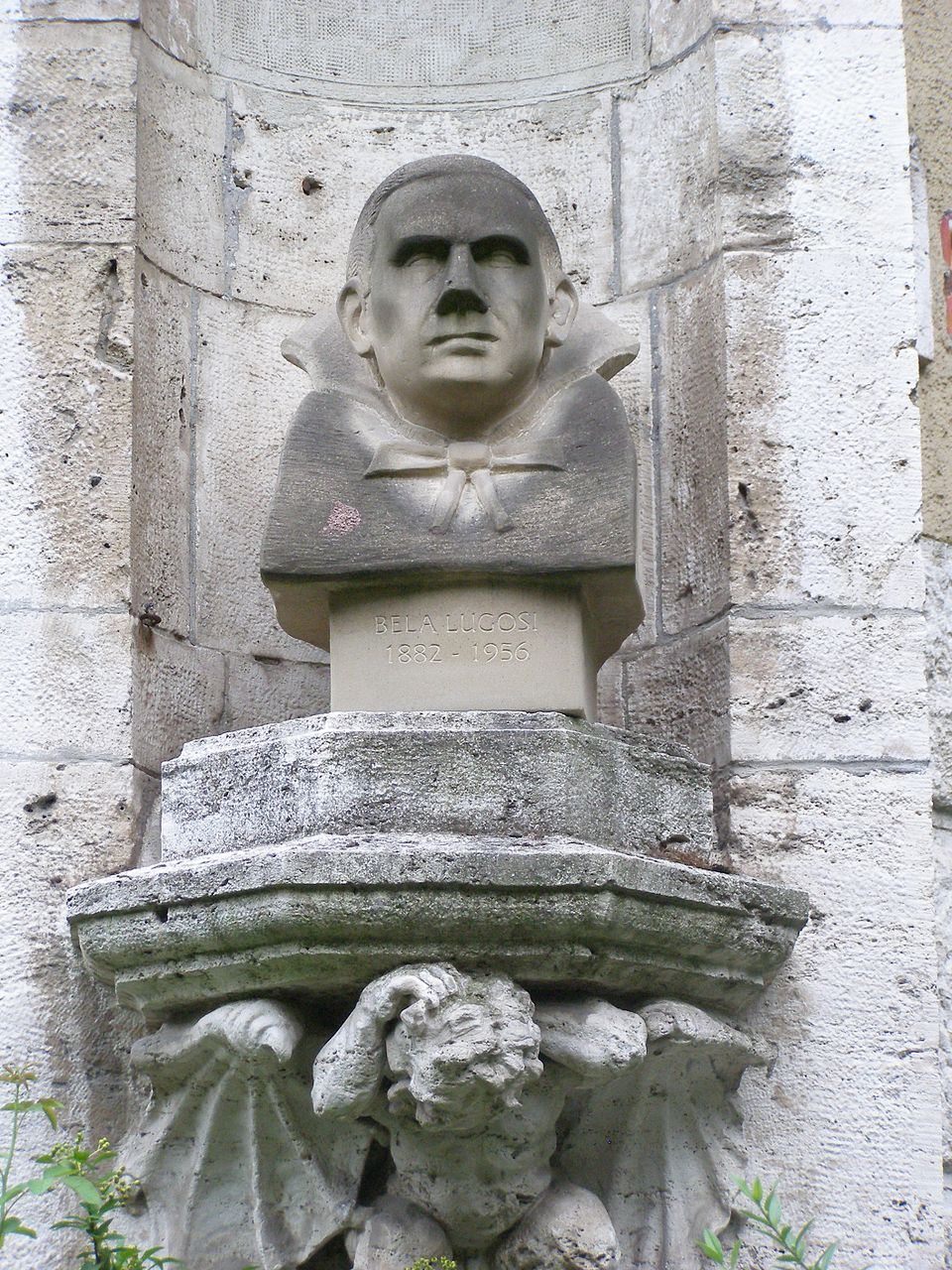
Apart from occasional streets named after him around Central Europe, there is a small tribute mounted to Lugosi at Vajdahunyad Castle, Budapest. This was placed there by an unknown individual, rumoured to have been a German, some 20 years ago. It was soon accepted and has stayed there ever since, blending in wonderfully with the castle foundations and general area alike.
There is „Lugosi Street” on the outskirts of Budafok. But although both these symbolic tributes are commendable, they still remain too tokenish for the likes of him. More should be done to commemorate this local legend here and not just when it’s Halloween. Museums should be set up in Budapest and Lugoj, as intrigue for the dark star lives on. Evidence was sighted in Lugoj/ Lugos last October 20 when I returned there again, this time with the Hungarian-Hollywood Council, to celebrate Lugosi’s 140th birthday alongside various local officials.
As for me, I am sure there will a fourth vamped-up edition when it comes to Halloween next year.
written by Alexander York
