
Kalocsa, the Paprika Capital – A quest for the best powdered gold
What other countries call “peppers”, Hungarians call “paprika”. Whether they’re a fresh red, yellow or green, or ground to powder, for Hungarians it’s “paprika” all the way. The granulated colour range varies from deep reddish brown to bright orange red, depending on which cultivars are used. Whichever the form, the word “pepper” just does not apply for Hungarians, so there is no confusion with darker pepper – as in salt and pepper – known as “bors” and thus another matter altogether.
For the renowned best of paprika, make your way to Kalocsa. This quaint, off-beat, provincial town with a Baroque setting is famed for the spice. In addition this charming, unruffled locale features the Népművészeti Tájház, a folk-art museum displaying the ceramics, porcelain and embroidery that also lead the way there. With little tourism, a visit to this earthy and serene place in the productive Great Plain of Southern Hungary brings one closer to the local scene. The feeling is more so than with many other similar olde-worlde towns, such as the over-spinning Szentendre and so forth.
Kalocsa’s main feature, known as “Capsicum annum” in Latin, does not always relate to industrious paprika production alone, as this hazy, sunshine-filled place has a proud cuisine culture. There are other similar places throughout Hungary, such as Szeged, that deliver copious quantities of paprika in the same way when similar conditions allow. Much of Hungarian paprika is smooth and generally milder compared to Mexican chilis or top-range Indian curry powders, for instance.
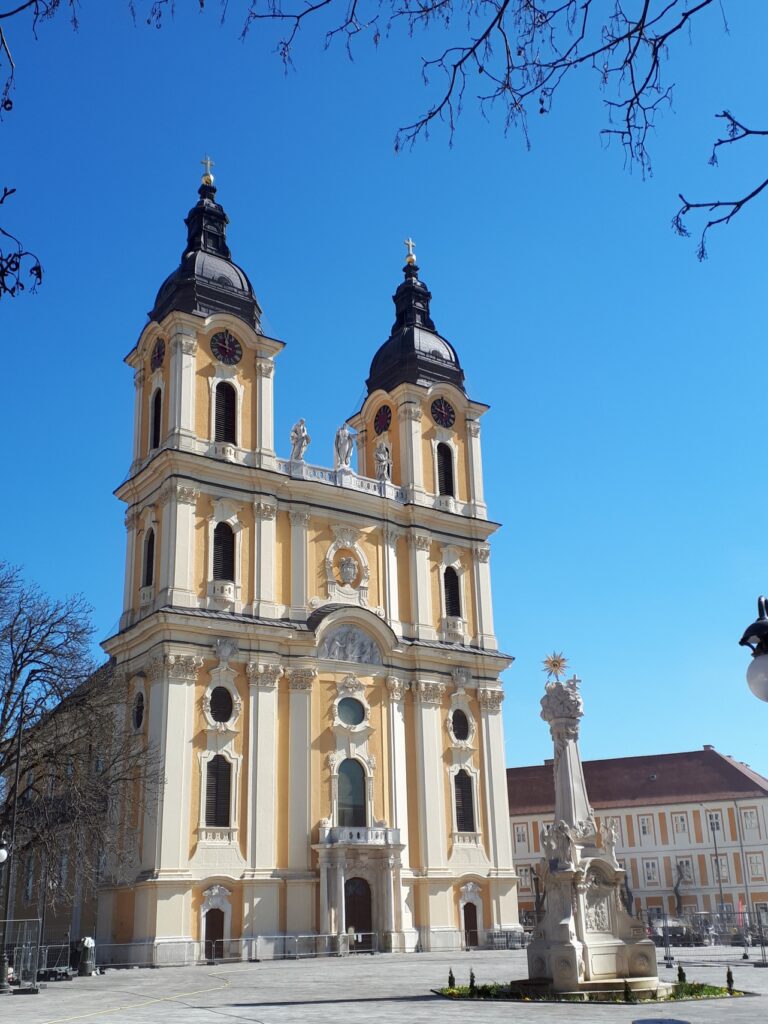
To find out more about “Paprika-paradise”, it was a two-hour, 140-kilometre drive southwards from downtown Pest, along the dusty Number 51 road running parallel with the River Duna. It was simple enough to find the central Szentháromság tér, Holy Trinity Square, dominated by the main and impressive Kalocsa- Kecskeméti Főegyházmegye, the Archdiocese Catholic Cathedral.
A few metres further on is the tourist information bureau in Szent István Street, and if one is interested in additional paprika research, as it is clearly Hungarian heritage, make your way there. They have an excelling exhibition hall with plenty of paprika content. The Paprikamúzeum and the Népművészeti Tájház are both short walks away. Then, if you still wish to learn more about this phenomenon identified by its colour, aroma and flavour, the specialised shops and restaurants await.
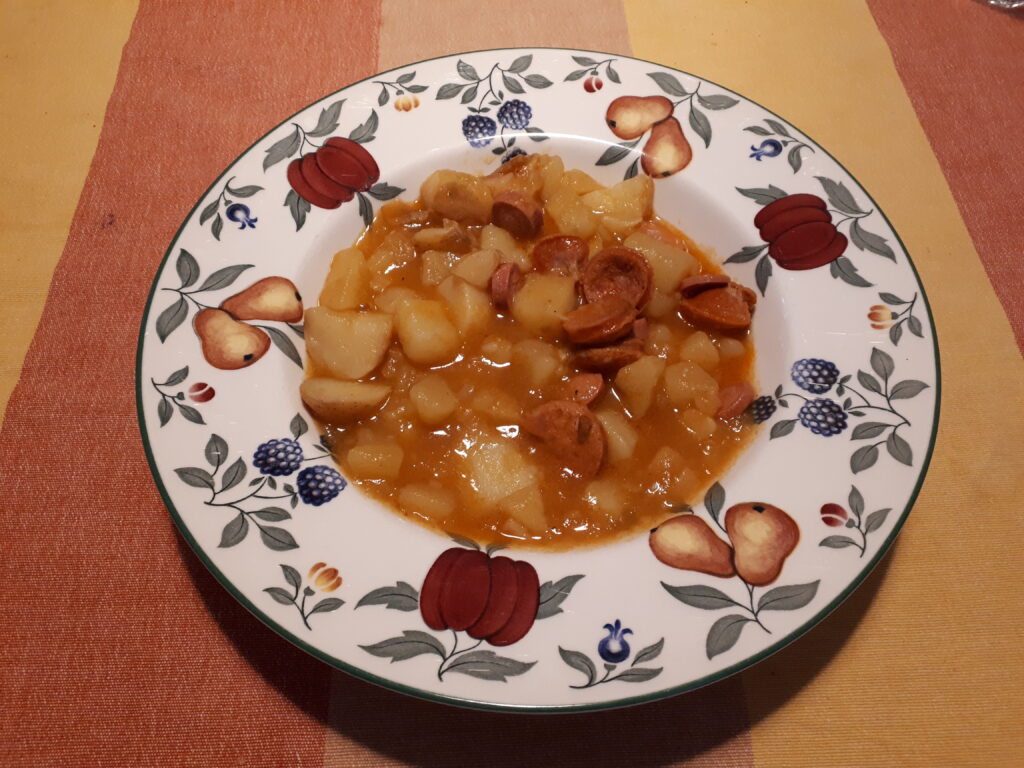
Larger-scale paprika production began in the early 20th century. Nowadays much local produce is sold around the world. Kalocsa produces some 40% of the nationwide market. Paprika has a symbolic role in Hungarian gastronomy, being rich in colour and exciting in mild and hot flavours. The different varieties, which come in a fine, soft textured powdered form, are as follows:
• Top of the range is the “Kalocsa Aranya”, which means “Kalocsa Gold”. Available in mild/ sweet as well as hot varieties, this highly aromatic blend gives the overall best taste, colour and aroma to many meat, fish and vegetarian dishes.
• The “Különleges” (special quality) variant has not only a splendid mild aroma but also delivers the brightest red colour of all the paprika varieties.
• “Kosher paprika” is unique in that each product comes with a stamp and serial number.
• Probably the most popular, with a slight fluctuation in the mouth, is the “Csemege”, with its touch of mild spice, and is generally used in many households in Hungary.
• “Édesnemes” is a delicate spice more preferable to those liking a sweeter taste.
• “Félédes” is a semi-sweet variant mildly hot, thus perfect for those who don’t want to get too carried away with anything hotter.
• The “Csípős”, which means “pungent”, is the more desired hot one.
• For those with endurance, there is the “Erős”, meaning “strong”. This is the hottest of the lot, and is light brown.
• Finally, there is the “Rózsa”, the rose paprika, which is recognisable for its pale red colour and yellowish shades. This comes with a strong aroma but milder than expected heat.
However, it would take a connoisseur, rather than me with my limited culinary noesis, to distinguish the paprika ambit in a more appropriate and imaginary way. For better descriptions, take this matter to the local professionals when in Kalocsa. As for storage, it’s best to keep all paprika products in a cool, dark, dry place and consume within a year of purchase.
Here are some prime examples of delicious and fortifying Hungarian dishes that have excelled world-wide, perhaps due to this magical home-grown ingredient. One is the highly prized chicken paprikash, commonly known as “Csirke paprikás”. Also there is fisherman’s soup, known in Hungary as “halászlé”. Local stews are referred to as “pörkőlt”, and followed by many others. All should ideally be served with salads.
For the vegetarians, I recommend “paprikás krumpli” which is a fine potato dish, cooked with onions and served with paprika. In common with “lecsó”, a Hungarian ratatouille, it is frequently made with heaps of peppers, onions and tomatoes.
During the summer, it is traditional to cook outside sitting around a “bogrács”, which is a large cooking pot hoisted by chains over a small camp fire, and make Goulash soup, or “gulyásleves”, as known locally. This can be made in several ways, as long as it consists of chopped meat, tomatoes, carrots, onions and garlic. Add noodles or rice, and sour cream into the mix and enjoy.
Goulash is not only a Hungary speciality. Another example is the Serbian variant made with cabbage and seasoned with oregano, giving the goulash another direction in taste.
Originally, paprika came from Turkey but some historians claim Portugal is the true origin. Paprika has been a favourite in Hungary since the early 18th century. It is cheap and plentiful when in season, easy to find and has always been accepted by rich and poor alike.
Peppers thrive in direct sunlight, as seen often enough around the countryside during the late summer and autumn. Harvesting takes place in September. Taste can vary depending on regional soil conditions.
The main reason why some paprika brings a mild to hot burning sensation to the mouth is due to a chemical release called “capsaicin”, which can be extracted from the plant. However, hotness is not the only diagnostic relating to capsaicin, as this characteristic within the paprika also has medicinal value and can be used as a painkiller. In recent times it has become possible to produce oil from the pepper seeds, which is ideal for salads and marinades. Due to a high level of antioxidants, pepper seed oil has an inflammatory effect and delivers health benefits too, such as improving eyesight.
Consuming peppers/ paprika has excellent health benefits. Freshly picked, there are high amounts of Vitamin C that will make one feel invigorated.
There are also paprika paste and sauce varieties, such as Piros Arany, Erős Pista, Haragos Pista and Édes Anna, with varying degrees of strength and flavour. Usually these brands are widely used for sandwiches, in similar vein as “Marmite”, an old favourite from England, and are usually salty. Apply these also to various soups, grilled meats and vegetables by spreading over. Finally, paprika is an essential ingredient used in many locally produced sausages and salamis, and found everywhere around this wide region.
Although there are variants, Hungarian paprika powders are typically less pungent than Spanish ones, as well as smoother and cooler than many curries. Local paprika and peppers alike are all excelling, alongside the equally rich red, green and yellow flavoursome Californian peppers, which have found their way here.
For all this and more, take yourself to either Kalocsa, Szeged or a sleepy local paprika-growing hub and experience something special and unique.
written by Alexander York

Hasonló cikkek

Hírlevél
Related Articles