I am in love with this city, I used to live here for three years.
Silom and the State Tower was for me always a very special experience, even before the „Hang over” movie.
Here, I met the nice CEO Deepak Ohri first time later on several times in Bangkok and Frankfurt.
He started a unique approach to the guest sector which ended in a deeper level of exchange with guests by creating emotional joy and connections especially at Lebua in the State Tower in Silom.
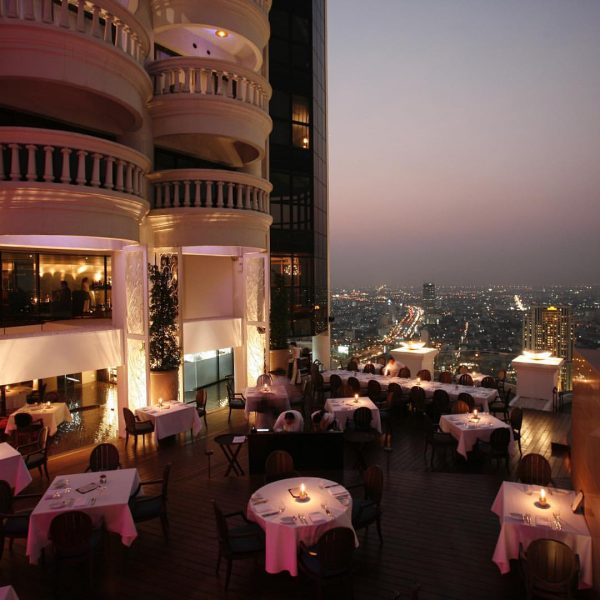
The Dome at Lebua is an impressive collection of iconic restaurants on top of Lebua’s Bangkok properties. Famous not only because of the “Hang over” movie.
It includes breathtaking views over the city especially at night.
In the restaurants you can enjoy cuisine that attracts epicures from around the world:
The whole dinner started with a glass of Dom Perignon.
Champagner is always a great start, especially DP.
The amuse outlines Kawasaki-san’s culinary approach: Nishin, a lightly pickled Saba-style herring. is thinly sliced and supplemented with the selective acidity of white wine vinegar and capers.
In another bowl there is “Kuruma Ebi”, the Japanese tiger prawn, with a chawanmushi-like porcini sauce and chestnut, much more intense and autumnal, while the precisely seasoned guinea fowl mousse with mushroom duxelles and sansho peppercorn leaves is sandwiched between two wafer-thin crispy slices of tramezzino seem like a snack reduced to the essentials.
It all tastes wonderfully uncerebral.
“Bafun Uni” and shrimp jelly with avocado, caviar and shiso open the menu.
This is strongly reminiscent of the Japanese-Peruvian “Nikkei” cuisine: A sour, extremely light avocado cream provides the bed for the creamy sea urchin, which shows off its typical sweet-bitter quality, before the caviar with salt, texture and Iodine rounds it off.
A great, surprisingly fresh start thanks to the guacamole.
For the next course I choose marinated shrimp.
The “Shima Ebi” shrimp with pear, yuzu and lemongrass sounds like a course that you can only get on the table in Japan – assuming the product is of exceptional quality.
A delicate bite, a slight sweetness and lots of late nuttiness and iodiness; In addition, the animals were warmed up: These few bites alone make it clear to me how worth it is to look at a product in its entirety: the basic quality, processing, size, seasoning – and also the temperature.
The companions provide creamy support, whereby lemongrass and yuzu do not overwhelm each other, but are undoubtedly sweet and sour dosed carefully.
The taste of yuzu in particular has been included in almost every dish in recent years – here the kitchen shows how to do it right.
A baby fist-sized scallop from the Japanese Sanriku is served “mi-cuit” – “half-cooked” – with yurine, aged parmesan and “karasumi”, salted and dried mullet roe, similar to an Italian bottarga.
This immediately reminds me of fish markets in Japan, where you can enjoy great seafood, including palm-sized oysters.
Despite its size, however, the mussel is extremely intense, crispy on the outside and still shimmering glassy on the inside.
The slightly acidified, beurre-blanc-like jus that ties all the elements together goes just as well as the crispy, fatty tempura balls and the fragrant Alba truffle slices.
For me, a blueprint for the successful liaison between Japan and France.
It continues with shio koji marinated menuke (red dragon head), matsutake (a rare Japanese wild mushroom) and “Sakura Ebi” broth. The shrimp stock on the ground tastes like a bouillabaisse, which, despite its lightness, quickly overpowers the subtle taste of the steamed, almost unseasoned fish.
I concentrate on the main protagonist and only take a spoonful of broth every now and then – but the plate doesn’t really blow me away.
I like the partridge in three versions better: The feathered animal appears here as a lightly smoked breast, as a fine quenelle and as a croquette with pulled meat and foie gras, accompanied by gobo (burdock root) and sesame.
Aside from that, you can add a fresh yellow wine zabaglioneda to your own taste. Although the cuisine here leaves the Japanese path entirely in the direction of France, the filigree, subtle smoke and sheer variety are convincing; no fork is the same as the previous one.
The Zabaglione sets the plate on a refreshingly creamy note, which I really like; and thanks to the smoked sesame oil on the bottom, I can still taste a hint of East Asia.
A classic of the house that my papillae have had the pleasure of touching for five years: charcoal-grilled Niigata Murakami A5 Wagyu (sirloin) with squid, chervil root and porcini mushrooms.
A sensation of bizarrely powerful meat, ever-present roasted aromas and beguiling.
The Ritz-Carlton Masai Mara Safari Camp in Kenya is the brand’s first safari experience at the world-famous Maasai Mara River.
Contributed by Jens James Hoffmann
The treetop suites, featuring private plunge pools and stargazing decks, place guests at the heart of the savannah while delivering Ritz-Carlton’s comfort.
The stay is with a Maasai cultural host and intuitive butler, ensuring a deeply and unique personal journey.
Easy to enjoy private safaris, Maasai-led storytelling and a fully solar-powered design supporting conservation and female ranger initiatives, the camp seamlessly blends luxury, culture, and sustainability in one of the world’s most extraordinary landscapes.
From city landmarks to rare estates, safari experience, an intimate treetop retreat in the world’s most majestic landscapes.
In the heart of Kenya’s Masai Mara National Reserve, where golden savannah stretches to the horizon and the Sand River winds through acacia trees, From the moment guests arrive, traditional Maasai rituals greet them, including a symbolic blessing and fresh scent of leleshwa leaves.
Days with guided safaris in open-air Land Cruisers, revealing the drama of wildebeest river crossings and opportunities for observing lions, leopards, buffalo, rhinoceros, elephants, and 500 bird species in their natural habitat.
You can enjoy the Kenya-Tanzania Border Stone or rise with the sun for hot air balloon flights over the plains, culminating in champagne breakfasts beneath the vast African sky.
As dusk falls, the call of a Maasai warrior’s ceremonial horn signals the transition to night, welcoming an evening filled with rich stories and serene moments under a canopy of stars.
“Bringing The Ritz-Carlton to the Masai Mara is more than just opening a new property, it’s a deeply meaningful moment for us,” said Tina Edmundson, President, Luxury at Marriott International.
“This is a place that stirs your soul. Where land, wildlife, and culture create something truly extraordinary. We’re offering travelers a chance to slow down, to connect deeply with nature and with themselves, and to experience the kind of hospitality that stays with you long after you leave. It’s a new chapter for The Ritz-Carlton – one where our legendary service and values come to life in one of the world’s most remarkable destinations.”
Just steps from the Kenya–Tanzania border, the 20 tented suites – including a Presidential Villa – are set on raised platforms among native acacia trees, offering panoramic views of the riverine forest and sweeping savannah. Designed by LW Design, the architecture draws from the principles of biophilic design, where nature and structure exist in quiet harmony. The camp’s distinctive hooded tents, with their soft, rounded forms, echo the meandering Sand River. Canvas walls, flowing drapery, and indoor-outdoor lounges melt the boundary between room and landscape, creating an environment where the rustle of leaves, scent of rain and calls of the wild move freely through each space. Outside, guests can soak in the views from private plunge pools, outdoor showers and canopy-level stargazing decks.
Inside, the design is a celebration of Kenyan textures and craftmanship, bringing depth and authenticity to every detail. Earthy palettes and tactile materials – hand-carved wood, semi-volcanic stone, and woven textiles handloomed by local women – create a rich, understated materiality. Intricate Maasai beadwork, seamlessly integrated into joinery and furnishings, anchors the camp in local heritage.
Art throughout the camp serves as a powerful storytelling medium, grounding guests in the cultural and natural heritage of the Masai Mara. Dynamic cheetah statues mid-sprint by Simon Bannister above fireplaces evoke movement, strength, and resilience, while photographic portraits of local women by Gian Paolo Tomasi blend documentary realism with emotional depth. Vintage photographs by Carol Beckwith and Angela Fisher document age-old Maasai rituals and ceremonies.
Each suite is paired with a personal Encholiek, a Maasai term meaning “one who walks with you.” Part cultural guide, part intuitive butler, the Encholiek offers guests a rare blend of immersive storytelling and elevated service, ensuring every moment is both deeply rooted and effortlessly refined.
Experiences Rooted in Connections
At the heart of the camp, the Discovery Hub serves as a vibrant space for curiosity, creativity, and cultural exchange. Guided by resident experts and a dedicated Cultural Ambassador, the centre celebrates the Maasai tradition of storytelling, sharing environmental knowledge, and connections to the land. Young guests can enjoy board games in the relaxed Raha social space; while aspiring photographers can elevate their skills with access to professional equipment, a photography studio, and on-site guidance from resident photographers.
Beyond the Discovery Hub, beadwork sessions, and traditional pottery and art classes offer meaningful interaction with Maasai artisans. Younger explorers (children aged 6+) can participate in the Young Warrior Programme – a playful, educational journey led by Maasai guides, including nature walks and a rite-of-passage certificate to mark their adventure.
Flavours of the Mara
Dining at The Ritz-Carlton, Masai Mara Safari Camp is a sensory journey where bold African flavours are served with panoramic views. Nest, the camp’s signature restaurant, offers globally inspired dishes reimagined with East African soul. As dusk falls, Canopy, the camp’s vibrant bar and lounge, offers bush-inspired cocktails and shareable plates, enhanced by the Spice of Africa ritual, where guests can select their own blend of local spices to infuse gin or cocktails. Elevated above the plains, Upeo Sky Deck hosts celestial dinners under the stars, with telescopic stargazing and mythic tales. For oenophiles, the Wine Cellar offers sommelier-led tastings of rare vintages paired with a six-course menu of regional delicacies, while the traditional Boma comes alive with Maasai music, storytelling, and a feast of grilled meats and indigenous flavours. Bush breakfasts, romantic sundowners, in-suite dining, and immersive cocktail masterclasses complete a culinary journey deeply rooted in place and tradition.
Where Nature Nurtures
Whispering Tree Spa takes its name from the acacia trees that hold deep spiritual significance for the Maasai, sacred spaces where generations have gathered for storytelling, ceremony, and reflection. Locals say the wind rustling through the leaves carries ancestral whispers, a belief that shapes the soul of the spa experience. Drawing on this tradition, treatments are inspired by local botanicals like aloe and marula and begin with a “Welcome of the Wild” ritual, a sacred water blessing and grounding foot soak. Expert therapists curate personalised experiences that flow through breathwork, meditation, and yoga while signature ceremonies blend indigenous ingredients with age-old healing practices to guide guests on transformative journeys of renewal for body, mind, and spirit. A fitness centre, outdoor pool with sweeping savannah views, and curated herbal infusions complete the wellness sanctuary.
Sustaining the Wild, Supporting the Future
The Ritz-Carlton, Masai Mara Safari Camp is committed to creating a lasting and meaningful impact, with planned initiatives in biodiversity, habitat restoration, education, and community empowerment designed to support both the resilience of the Greater Mara Ecosystem and the wellbeing of its surrounding communities.
Plans are underway to implement a comprehensive biodiversity monitoring program using infrared cameras to track wildlife movements and support regional conservation efforts. In partnership with conservation organisations, habitat restoration initiatives will focus on regenerating riparian forests and wetlands along the Sand River, with guests invited to participate in tree-planting experiences that connect luxury travel with ecological impact. Community empowerment will also be a core focus, with a dedicated initiative to train and employ female wildlife rangers, empowering local women to monitor wildlife, guide guests, and serve as conservation ambassadors within their communities.
More than 70% of the team are from local communities, and a dedicated apprenticeship program empowers youth from the region to pursue careers in hospitality. The camp also supports educational community projects and has recently supported Emboo Primary School with book donations, and the planting of fruit tree seedlings, enhancing both learning conditions and long-term food security for students. .
In addition, the camp is committed to sustainable operations. The camp is fully solar-powered, and will be among the most energy-efficient camps in East Africa, with a 650kW solar farm and 7,000kWh of battery storage capable of powering the property for up to three days. A closed-loop water treatment system recycles greywater and harvests rainwater, while a zero-waste-to-landfill policy minimizes environmental impact.
The camp is located near Serena Airstrip, just a 45-minute flight from Nairobi’s Wilson Airport. For those preferring a scenic journey, the camp is accessible via a five-hour drive from Nairobi.
Rates start from $3,500 per person, per night (all-inclusive*).
For more information and reservation inquiries, please visit www.ritzcarlton.com *The all-inclusive rate includes accommodation with personalised butler service, all dining experiences and beverages (excluding premium wines and spirits, as well as Upeo and Wine Cellar experiences), two private game drives per day, laundry, Wi-Fi, use of professional Canon photographic equipment and editing guidance, binoculars, and return Serena Airstrip transfers.
Delivering the Gold Standard in service in coveted destinations around the world, The Ritz-Carlton Hotel Company, LLC currently operates more than 120 hotels in over 35 countries and territories. From iconic urban destinations to stretches of paradise in untouched corners of the earth, The Ritz-Carlton offers the opportunity for true discovery and transformative escapes that stay with guests long after they depart. Committed to thoughtful innovation, The Ritz-Carlton encompasses two groundbreaking brand extensions, Ritz-Carlton Reserve and The Ritz-Carlton Yacht Collection. Ritz-Carlton Reserve is a collection of rare estates set apart from the world, where personalized care and cultural immersion are paramount.
The Ritz-Carlton Yacht Collection translates the brand’s legendary service and hospitality for sea, reimagining the ultra-luxury cruising category. For more information or reservations, visit the company website at www.ritzcarlton.com, for the latest company updates, visit news.marriott.com and to join the live conversation, use #RCMemories and follow along on Facebook, X, and Instagram. The Ritz-Carlton Hotel Company, L.L.C. is a wholly-owned subsidiary of Marriott International, Inc. (NASDAQ:MAR). The Ritz-Carlton is proud to participate in Marriott Bonvoy®, the global travel program from Marriott International.
The program offers members an extraordinary portfolio of global brands, exclusive experiences on Marriott Bonvoy Moments and unparalleled benefits including complimentary nights and Elite status recognition. To enroll for free or for more information about the program, visit marriottbonvoy.com. The Ritz-Carlton is committed to supporting the destinations where it operates through Community Footprints, the company’s social and environmental responsibility program.
About Marriott Bonvoy®
Marriott Bonvoy’s extraordinary portfolio offers renowned hospitality in the most memorable destinations in the world, with more than 30 brands that are tailored to every type of journey. From The Ritz-Carlton and St. Regis to W Hotels and more, Marriott Bonvoy has more luxury offerings than any other travel program. Members can earn points for stays at hotels and resorts, including all-inclusive resorts and premium home rentals, and through everyday purchases with co-branded credit cards. Members can redeem their points for experiences including future stays, Marriott Bonvoy Moments™, or through partners for luxurious products from Marriott Bonvoy Boutiques®. To enroll for free or for more information about Marriott Bonvoy, visit marriottbonvoy.com.
Contributed by Jens Hoffmann
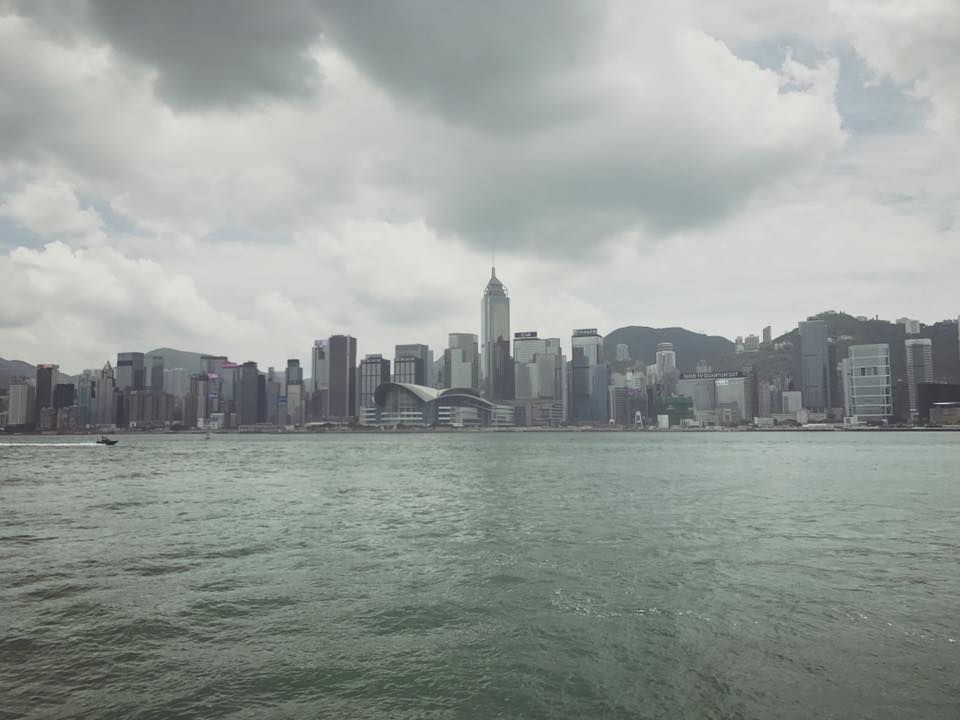
Passagiere die einen längeren Zwischenstopp (ab 7 Stunden) am Internationalen Flughafen von Hongkong haben, dürfen sich über kostenlose Touren von Trip.com Free Hong Kong Layover Tour freuen.
Die Tour wurde entwickelt, um die Fluggäste glücklich zu machen.
Und natürlich um ein schnelles Sightseeing der Stadt zu bieten und sie pünktlich zum Anschlussflug am Hong Kong International Airport (zurückzubringen.
Die Tagestour startet am „Trip.com Commercial Counter“ in der Ankunftshalle A im Terminal 1.
Mit dem Tourbus gehts zum Wong Tai Sin Tempel, man nimmt an einer Wahrsagersitzung teil und bekommt die traditionelle Architektur erklärt.
Auch der lokale Lebensstil soll teil der Führung sein.
Von 17:30 bis 21:30 Uhr wird die Victoria & West Kowloon Waterfront Journey in englischer Sprache angeboten.
Sie führt nach West Kowloon ins Kulturviertel.
Mit im Programm ist die Allee der Sterne, den Handabdrücken von Hongkonger Kinolegenden, natürlich auch der Nachtblick vom Victoria Harbour.
Insgesamt gilt das First-Come, First-Served-Prinzip.
Wer am Flughafen ankommt, kann am Free Layover Tour Registration Counter am Transfer Desk E1 (Vor der Einwanderung) sein Visum und die Reiseberechtigung überprüfen lassen.
Wenn der Anschlussflugplan es zulässt, werden Mitarbeiter bei der Freigabe für die Tour helfen.
Informationen:
https://www.trip.com/hot/hongkongexpress-halfdaylayovertour
Contributed by feature reporter Jens Hoffmann
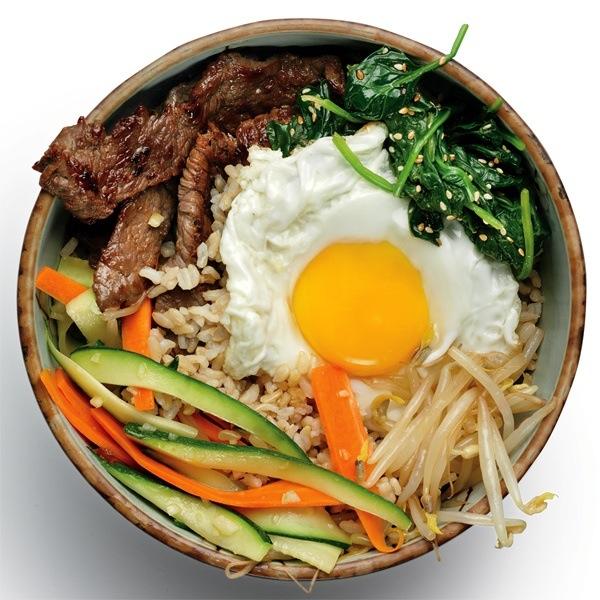
Chubu region! Nagoya, the fourth biggest city in Japan is well-known for its amazing cuisine, onsen, style and culture. Indeed, the local restaurants in the region leaves no culinary wishes unfulfilled. The local restaurants beguile even the most pampered palates. Placing great value on fresh ingredients and products you can enjoy, kobe beef, tofu, miso, Unagi (eel), tebasaki chicken, red miso dishes like miso katsu the kishimen noodles, amongst others.
Fantastic.
My personal highlight was the restaurant „Wadakin” in Matsusaka.
The restaurant located in Mie Prefecture is a joy and a must for every bucketlist is to try the world-famous Matsusaka beef, the animals are raised right here in harmony in between a gorgeous natural scenery.
Yummy.
Nagoya is easily to be reached, but far enough away to present something a little different.
The city differs greatly from Tokyo and Osaka, boasting its own traditional cuisine as well as a dialect unique to the area.
Traditional tea ceremonies and over thousand years-old shrines are reminders of a country steeped in rich history.
It is this combination of traditional and futuristic that makes Japan a surreal voyage for the senses.
For a taste of different life Nagoya provides a great glimpse into the wide spectrum of possibility in Japan. Nagoya is a special city, 2,3 millions makes it to a urban hotspot.
It’s the birthplace of Toyota.
And for many people the whole atmosphere in this city is a bit more relaxed than in its big brother Tokyo.
On the country site you will the peace of century-old shrines and calming japanese gardens.
Sayonara ..or just Mata.






 My personal highlight was the restaurant „Wadakin” in Matsusaka.
The restaurant located in Mie Prefecture is a joy and a must for every bucketlist is to try the world-famous Matsusaka beef, the animals are raised right here in harmony in between a gorgeous natural scenery.
Yummy.
Nagoya is easily to be reached, but far enough away to present something a little different.
The city differs greatly from Tokyo and Osaka, boasting its own traditional cuisine as well as a dialect unique to the area.
Traditional tea ceremonies and over thousand years-old shrines are reminders of a country steeped in rich history.
It is this combination of traditional and futuristic that makes Japan a surreal voyage for the senses.
For a taste of different life Nagoya provides a great glimpse into the wide spectrum of possibility in Japan. Nagoya is a special city, 2,3 millions makes it to a urban hotspot.
It’s the birthplace of Toyota.
And for many people the whole atmosphere in this city is a bit more relaxed than in its big brother Tokyo.
On the country site you will the peace of century-old shrines and calming japanese gardens.
Sayonara ..or just Mata.
My personal highlight was the restaurant „Wadakin” in Matsusaka.
The restaurant located in Mie Prefecture is a joy and a must for every bucketlist is to try the world-famous Matsusaka beef, the animals are raised right here in harmony in between a gorgeous natural scenery.
Yummy.
Nagoya is easily to be reached, but far enough away to present something a little different.
The city differs greatly from Tokyo and Osaka, boasting its own traditional cuisine as well as a dialect unique to the area.
Traditional tea ceremonies and over thousand years-old shrines are reminders of a country steeped in rich history.
It is this combination of traditional and futuristic that makes Japan a surreal voyage for the senses.
For a taste of different life Nagoya provides a great glimpse into the wide spectrum of possibility in Japan. Nagoya is a special city, 2,3 millions makes it to a urban hotspot.
It’s the birthplace of Toyota.
And for many people the whole atmosphere in this city is a bit more relaxed than in its big brother Tokyo.
On the country site you will the peace of century-old shrines and calming japanese gardens.
Sayonara ..or just Mata.