Currywurst, Labskaus, Spätzle und Omas Rezepte haben das «Sühring» zum kulinarischen Hotspot in Thailand gemacht.
Jetzt feiert das Resto sein zehnjähriges Bestehen.
Zum Abschluss gibt es im «Sühring» ein Eierlikörchen nach Oma Christas Art.Wow!Serviert wird er in einem schicken Turm aus Eiswürfeln.Das handgeschriebene Rezeptbuch der Großmutter der Sterneköche Mathias und Thomas Sühring ist die Geheimwaffe der Sührings, sozusagen das nostalgische Herzstück des Gourmet-Tempels in einer ehemaligen Diplomatenvilla mit thailändischem Tropengarten.
Spätzle und Labskaus klingt nach Hausmannskost, es avanciert bei den Sürings zur Haute Cuisine mitten in Bangkok.
Wir haben uns einfach die Heimat hier hergeholt», sagt Thomas lächelnd und Mathias fügt hinzu: «Bei uns geht es immer um Kindheitserinnerungen, um Emotionen.»Der Erfolg mit ihrem kühnen Konzept gibt den Zwillingen aus Ost-Berlin recht. Vor wenigen Monaten erhielten sie für ihre raffinierten Kreationen ihren dritten Michelin-Stern. Mehr geht nicht, mit 48 Jahren stehen die beiden auf dem kulinarischen Olymp.
Der Labskaus etwa kommt als kleine Praline mit «Imperial Beluga Caviar» daher, die Spätzle werden mit frisch geriebenem Périgord-Trüffel serviert, auch als «schwarzer Diamant» bekannt, und die Ente wird sieben Tage in Stroh und Kräutern geräuchert.
Selbst Erbsen erleben als feine, über Holzkohle gegrillte Mini-Tarte mit Holunderblüten eine überraschende Renaissance. Und als Gag gibt es auch mal Currywurst, mit hauchdünnem Kartoffelchip statt Pommes. Jeder Gang ist eine Hommage an die deutsche Küche und wird – filigran verziert – wie ein kleines Kunstwerk präsentiert.
Die dazu servierten Spitzenweine stammen ebenfalls überwiegend aus Deutschland.
Ihren ersten Stern erhielten die Sürings 2018.
Ein Jahr später folgte der zweite. Aber noch immer können die Sührings kaum glauben, was dann im vergangenen November passierte.
«Es war eine Achterbahnfahrt der Emotionen, einfach Wahnsinn!», erinnert sich Thomas. So viele Jahre hätten beide die großen Chefs dieser Welt als Idole bewundert. «Und jetzt steht man auf einer Stufe mit denen, das ist schon unglaublich, das begreift man gar nicht so richtig.»
Der Michelin schrieb zur Begründung unter anderem: «Inspiriert von den Sommern auf dem Bauernhof ihrer Großeltern in Deutschland, verwandeln die Brüder traditionelle Techniken wie Fermentieren, Einlegen und Pökeln in zeitgenössisches Fine Dining, bei dem Nostalgie auf Präzision trifft.»
Neben dem «Sühring» hält in ganz Thailand nur das «Sorn» mit seiner südthailändischen Küche drei Sterne.
Bevor sie sich selbstständig machten, sammelten die Brüder Erfahrung bei einigen der renommiertesten Köche Europas. Beide arbeiteten mehrere Jahre im Drei-Sterne-Restaurant «Aqua» von Sven Elverfeld in Wolfsburg. Mathias wechselte später zu Jonnie Boer ins niederländische «De Librije», das seit 2004 drei Michelin-Sterne hält, während Thomas in Rom bei Heinz Beck im Drei-Sterne-Tempel «La Pergola» kochte.
2008 verschlug es die beiden schließlich nach Bangkok: Im Gourmetrestaurant «Mezzaluna» im 65. Stock des ikonischen State Tower übernahmen sie gemeinsam die Küche und machten sich in der internationalen Fine-Dining-Szene der Stadt einen Namen.
Erst Jahre später reifte die Idee, etwas Eigenes zu wagen.
2016 mit dem «Sühring» alles auf eine Karte. «Das war schon etwas blauäugig», sagt Thomas rückblickend.
Sie hätten sogar Zweifel gehabt, ob der von Anfang an geplante Restaurantname mit dem Umlaut «ü» die richtige Wahl war. «Und jetzt sind wir seit zehn Jahren offen, das ist schon unglaublich», sagt Mathias. Und noch immer hätten sie Spaß an der Arbeit wie am ersten Tag.
40 Gäste finden im «Sühring» Platz – bei stolzen 55 Mitarbeitern. Die meisten Gäste stammten aus Asien, einige seien schon ein paar Dutzend Mal dagewesen, erzählen die Brüder. Seit dem dritten Michelin-Stern gebe es aber einen regelrechten Ansturm aus Deutschland, Österreich und der Schweiz.
Ein Sühring-Klassiker darf dabei nie fehlen, und der hat direkt mit der deutschen Wiedervereinigung zu tun. Denn als 1989 die Mauer fiel und die Zwillinge mit zwölf Jahren erstmals den Westen erkundeten, blieb ihnen eine Süßigkeit der Firma Ferrero buchstäblich am Gaumen haften – Hanuta, kurz für «Haselnusstafel».
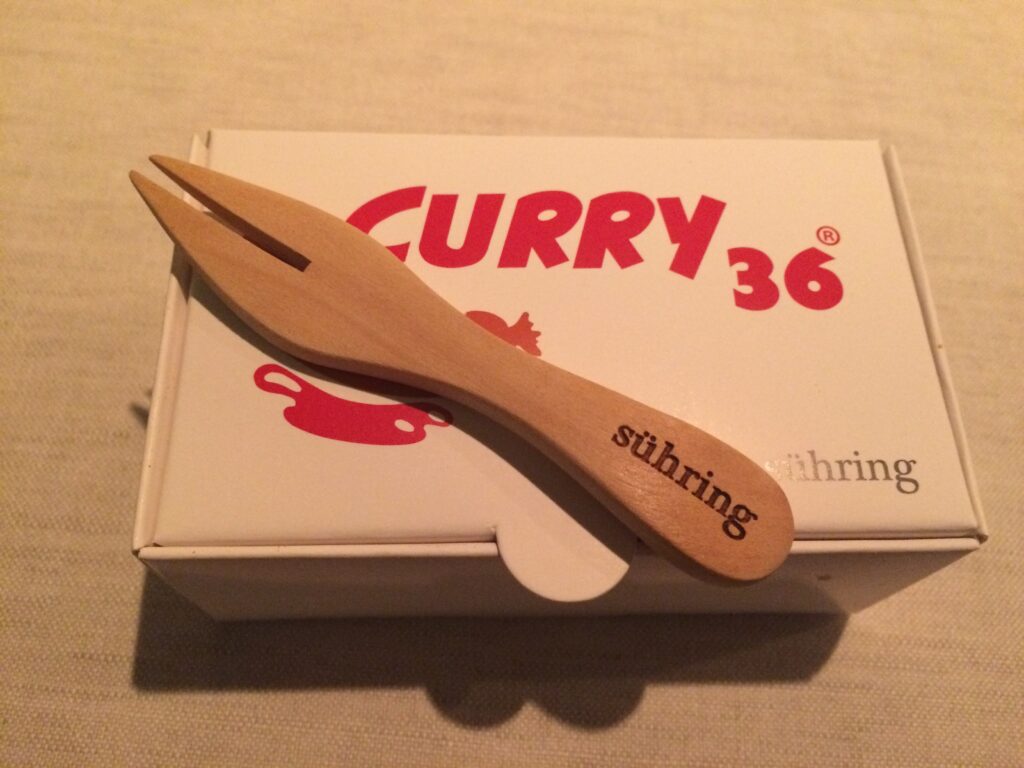
«Das war das Erste, was wir in West-Berlin gegessen haben. Das ist uns einfach im Kopf geblieben», erzählt Thomas. «Dann haben wir uns gedacht, wie können wir diesen Augenblick, den wir da hatten, festhalten?» So entstand die herzhafte «Entenlebertafel» – oder Enleta. Verfeinert mit Aprikosengelee – und stilecht wie eine Hanuta verpackt – wird sie mit einem Aprikosen-Trinkessig vom Pfälzer Doktorenhof serviert.
Während die Gäste in den Kindheitserinnerungen der Zwillinge schwelgen und zum Abschluss Oma Christas Eierlikör trinken, schaut die alte Dame milde von der Wand. Zwischen Herd und Holzofen sitzt sie – auf einem Bild verewigt – in ihrer Küche in Klein Briesen in Brandenburg. Da, wo Mathias und Thomas Sühring einst ihre Sommer verbrachten – und wo für sie alles begann.
Tipps für einen Trip in die meistbesuchte Stadt der Welt.
Nicht nur kulinarisch hat Thailands Hauptstadt einiges zu bieten. Laut dem «Top 100 City Destinations Index» war Bangkok nach 2024 auch 2025 die meistbesuchte Stadt der Welt. Im vergangenen Jahr kamen mehr als 30 Millionen internationale Gäste, um die Tempel, Paläste und Wasserwege der Glitzermetropole zu erleben. Welche fünf Hotspots sollten Besucher auf keinen Fall verpassen?
Der Große Palast und der Smaragd-Buddha
Die prächtige Anlage des Grand Palace gehört zu den wichtigsten Sehenswürdigkeiten des Landes. Im Tempel Wat Phra Kaeo befindet sich der berühmte Smaragd-Buddha – das wohl wichtigste Nationalheiligtum Thailands. Eigentlich ist die Figur übrigens aus grüner Jade gefertigt. Nur wenige Schritte entfernt liegt der traditionsreiche Wat Pho. Weltberühmt ist der 46 Meter lange goldene liegende Buddha, der hier untergebracht ist.
Tempel der Morgenröte
Direkt am mächtigen Fluss Chao Phraya erhebt sich die imposante Anlage des Wat Arun. Besonders bei Sonnenuntergang glitzern seine mit Porzellan verzierten Türme spektakulär über dem Wasser. Am schönsten ist die Anreise mit einer kleinen Fähre oder einem Touristenboot. Magisch ist der Sonnenuntergang vom Wasser oder vom anderen Ufer aus, wenn der Tempel zunehmend in goldenem Licht erstrahlt.
Blick über die Skyline vom Mahanakhon
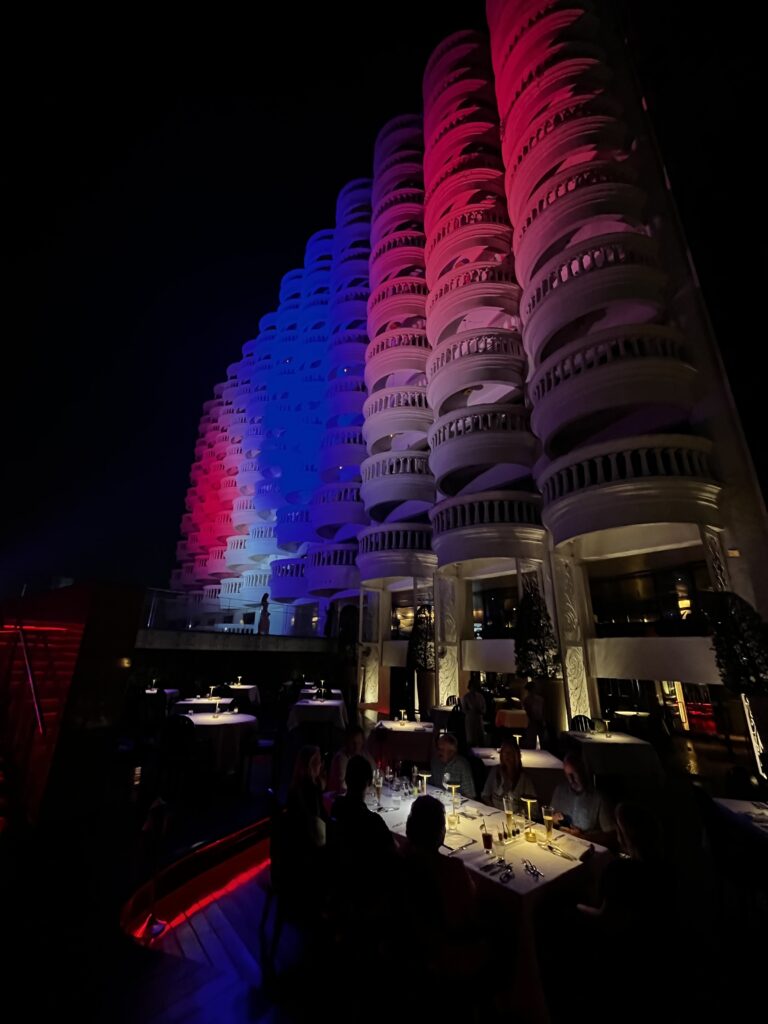
Wer Bangkok von ganz oben erleben möchte, fährt auf die Aussichtsplattform des Wolkenkratzers King Power Mahanakhon. Das markante «pixelige» Design des Gebäudes stammt vom deutschen Architekten Ole Scheeren.
In mehr als 300 Metern Höhe bietet sich ein spektakulärer Rundumblick über die Metropole, die nach Sonnenuntergang in einem Meer aus Licht glitzert. Der gläserne Skywalk, von dem der Blick direkt in die Tiefe geht, ist allerdings nichts für Menschen mit Höhenangst.
Streetfood in Chinatown
Im Viertel Yaowarat pulsiert das Leben: Straßenstände, Neonlichter und Garküchen machen die Gegend zu einem der besten Orte, um Bangkoks legendäres Streetfood zu probieren. Daneben gibt es hippe Bars und Cafés, die meisten in charmanten chinesischen Shophouses. Eine besondere Empfehlung sind das Restaurant «Ba hao» und die Rooftop-Bar im «Wallflowers Cafe».
Sao Paulo is home to the largest Japanese population outside Japan and along with the people come the food, the produce and myriad aspects of Japanese cultures.
The district Liberdade in Sao Paulo has been established as a Japanese community “Japantown” since 1950s and authentic, quality Japanese restaurants can be found nearly everywhere in Sao Paulo. The only distinction, it seems, is that due to its tropical “one-season” climate Japanese cuisine in Brazil does not have the abundance of seasonal produce or is restricted by it.
In Sao Paulo I had a chance to try out the modern “kappo” restaurant Kinoshita by Master Tsuyoshi Murakami.
What is “kappo”? “Kappo” – meaning “To Cook/Cut” – is a kind of personal dining where diners are seated, usually at a counter, behind which the chef decides his menu and prepares all the dishes. There is no prep kitchen elsewhere. The “kappo” menu is a hybrid between the keiseki or multi-course tasting haute cuisine and the izakaya or small portioned bar food. The erasure of the barrier between the kitchen and the dining room encourages an intimate and lively exchange between chefs and diners. At Kinoshita I was looked after sous chef Alex who inquired me of my likes and dislikes. In the end I opted for the “kappo” omakase which comprises of 9 dishes plus one dessert. Alex did most of the choosing. I was still given the liberty of requesting some dishes I fancied from the extensive A La Carte section to replace some of the intended tasting courses. It might be helpful to note that the price ranges approximately between €10 to € 35 per dish for A La Carte dishes. The meal commenced with an aphrodisiac shooter of fresh oysters, salmon roe, marinated nameko mushrooms and quail’s egg yolk. The vibrant freshness of the ingredients was enhanced by the gleaming yuzu-ponzu soy reduction. This was quickly followed by “Kai”, a dish of poached mussels with spicy miso sauce. The bean-y sweetness from the sauce, undercut by the refined pickle acidity from the cucumber ribbons, provided a body to the succulent mussels. I also liked the lingering tinkling sensation from the chilli infusion. Traditional grilled eel Unagi was served with batons of granny smith apple and daikon cress Kaiware. The next dish was medallions of raw flounder and scallop, sandwiched together to create a horizontal stack of multi-textured sashimi – soft texture from flounder and springy from scallop. The construction was toppled with salmon roe and peppery daikon cress and finished with the citric ponzu-yuzu soy reduction. Maguro was prepared seared/tataki style and arrived with spicy miso sauce and quail egg. Like the sauce for the mussel dish, it was tasty; the yolk added unctuousness to it. That said, as a whole, with stringy, minimally roasted spring onions and toasted sesame seeds, the dish tasted rather sweet and undermined the first-rate tuna. The sashimi put the meal back on track. The two cuts of tuna were brilliantly fresh. The garnish of rosemary spring did leave an aromatic scent atypical for sashimi serving in Europe.
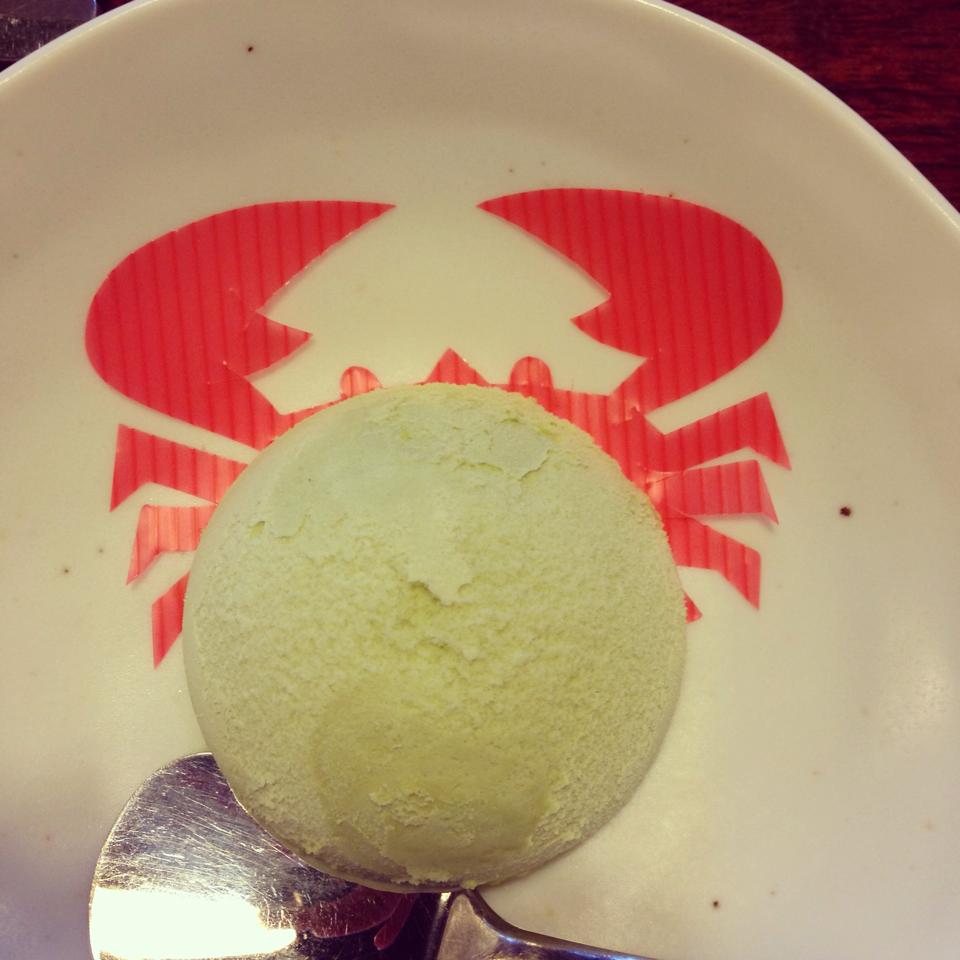
Interestingly, the meal gathered its momentum with rice and soy sauce. Alex insisted I try the sushi rice and the soy sauce by themselves, before revealing the care and thoughts that had been put into these creations. Starting with the soy sauce, the kitchen at Kinoshita makes their own soy sauces. This one, in particular, is only served with sushi. It is prepared by a meticulous balancing of kombu, dried bonito, mirin, sake and salt. A pale shade of brown and crystal clear, and after a small sip, it released a calm, rice-y sweetness and a very subtle hint of salt. The soy sauce that accompanied the sashimi prior to this claimed a lot heavier salt content. I moved onto the rice ball presented with a light touch of wasabi. The ball was explosive. The sushi rice here is prepared from the not-so-old, short-grained Japanese rice that are exported to and grown in California. The grains are quite sticky and gel together well. In other words, they do not require much pressure when being turned into a nigiri by the sushi chef, hence the air space between the grains, the lightness and the explosive-ness. To counter the soy sauce, the kitchen seasons the rice with a stronger dose of vinegar – almost reminiscent of rice for chirashi sushi. In this context, they work surprisingly well. The ethereal state of the rice and the pristine taste emboldened the pure flavour from the fish. After the rice came my nigiri platter of tuna, red snapper, mackerel, scallop and seared wagyu beef. Next was an expertly pan-seared wagyu beef fillet, which was described as a migrating piece of beef. That is, a 100% Japanese breed but born and raised in Brazilian clime. It arrived temptingly pink. The taste was on the pure side – not so much aged – and the texture very firm. The duo of Japanese dried chilli flakes and salt did their job well. The parade of savoury dishes concluded with a heart-warming bowl of Kakiage Don. Kakiage refers to a tempura technique of assembling various ingredients to be deep fried together at once. In my bowl there was an assortment of very fresh scallop and prawns with julienne root vegetables, drizzled with the syrupy teriyaki sauce. Sweet but toothsome. The miso boast a clarity of great stock, while the pickled Japanese cucumber tasted more purely compressed rather than with a vinegary tang. The gummy chocolate moji and the white coffee ice cream were such a pleasing way to end my meal.
Yummy experience.
Resto tip “Kinoshita” in Sao Paulo:
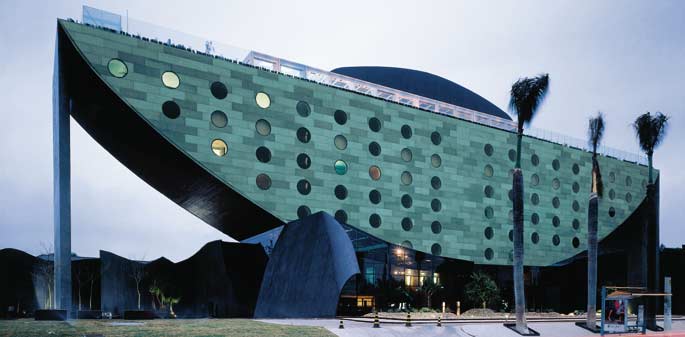
Located in the well-heeled residential area of Jardins, and just meters from Ibirapuera Park, São Paulo’s largest green area, the building rises like a gracious ocean liner in dry-dock.
We like this beautiful place but we hardly slept in São Paulo, but not, sadly, because the lure of caipirinhas was keeping me out partying. Rather, the ceaseless hum of rotating blades put an end to my slumbers, Sao Paulo – Brazil’s largest city is also the helicopter capital of the world. There are enough peopled by a super-rich elite reminiscent of The Jetsons who hail choppers like the rest of us would a cab. Brazil’s luxury market grew by 30% and the number of millionaire households in São Paulo is set to triple by 2020. Prada, Coach and Bottega Veneta have all stores, what makes this all the more remarkable is Brazil’s self-imposed obstacle to the luxury juggernaut: import tax.
Where to stay:
Grand Hyatt Hotel
Unique Hotel
Hotel Unique is ideally located in the heart of Jardins, the most upscale neighbourhood in Sao Paulo, by Ibirapuera Park. Close to both the financial district located on Paulista Avenue & Ave Luis Carlos Berrini, Juscelino Kubistcheck and Faria Lima the most important business districts of Sao Paulo as well as the upscale Jardins´ shopping areas.
Distance: 15 minutes from Congonhas (domestic) and 40 minutes from Guarulhos International Airport.
Shielding dark glass and a desert garden of mini, sand-toned cubes of rock, palms and agaves are the first impressions that the hotel offers. Dramatic high internal spaces such as the lobby are accentuated and illuminated with walls of beige marble, and sharp, geometric themes make the spectacle even grander. A carefully choreographed spectrum of circles and squares, ellipses and sine curves flow in and out of each other, softened by wooden flooring, sleek white furnishings and transparent glass tables and fittings. The rooftop terrace displays amazing views of the city, if you manage to take your eyes off of the fascinating crimson red swimming pool.
London – March 24, 2026: As Crete continues to emerge as one of the Mediterranean’s most compelling luxury destinations, JW Marriott Crete Resort & Spa, the luxury seafront resort which launched in 2025, will reopen for the summer season on April 15, welcoming guests to a serene coastal retreat where architecture, nature and understated hospitality come together above the island’s dramatic shoreline near Chania.
Set along Crete’s striking northern coastline, just a 15 minute drive from Chania airport, and 30 minutes from Chania Old Town, the 160-key resort represents a contemporary expression of Mediterranean hospitality. Defined by its nature-led architecture, expansive sea view accommodation and immersive wellness offering, the property has quickly established itself as a flagship destination within the JW Marriott portfolio – marking the brand’s first opening in the Mediterranean and setting a new benchmark for contemporary luxury in Greece.
This season marks the resort’s first full season in operation, inviting guests to experience Crete through a slower, more restorative lens. Set above the bay of Marathi with panoramic views across the Aegean, the property combines expansive sea-facing rooms, suites and private villas with four destination restaurants, direct beach access, an adults-only pool and a deeply immersive wellness programme spanning spa rituals, movement, hiking trails and sound healing.
A Contemporary Sanctuary on the Cretan Coast
Perched above the coastline just outside Chania, JW Marriott Crete Resort & Spa combines dramatic natural surroundings with thoughtful, design led hospitality. The resort’s architecture responds directly to its environment, with natural materials, expansive terraces and open air spaces designed to maximise light, views and connection to the landscape. Throughout the property, indoor and outdoor living flow seamlessly together, reflecting the relaxed rhythms of Mediterranean life.
Accommodation is designed to maximise both privacy and the resort’s uninterrupted coastal setting, with every category oriented towards sea views across the bay of Marathi. Rooms are spacious and understated, defined by natural materials, soft neutral tones and private outdoor terraces, while suites introduce separate living areas with private pools that extend directly towards the horizon. For guests seeking greater seclusion, the resort’s villas — including earth-sheltered and two-level configurations — offer up to two bedrooms, generous indoor-outdoor living space and private pools, creating a more residential experience shaped by light, calm and a strong connection to the landscape.
Design, Wellness and the Rhythm of Island Living
At JW Marriott Crete, wellness is woven into every aspect of the guest experience. Rather than existing as a single amenity, wellbeing is expressed through the resort’s environment, pace and philosophy of hospitality. At its heart is the dedicated yoga deck, positioned to frame uninterrupted sea views, where guests can begin the day with sunrise sessions shaped by the rhythms of the island. This is complemented by a rotating programme of visiting practitioners, each bringing specialist expertise, from movement and mindfulness to sound healing and holistic therapies, allowing guests to engage with wellbeing in a more personalised and evolving way. Alongside this, restorative spa rituals inspired by local traditions and unhurried afternoons spent across the resort’s terraces, pools and natural Cretan beaches create a deeply immersive sense of calm.
This holistic approach reflects the growing appeal of Crete as a destination for travellers seeking balance and meaningful connection with place. As more visitors look beyond the Mediterranean’s most saturated islands, Crete has emerged as a refined alternative, offering dramatic landscapes, cultural richness and a sense of space rarely found elsewhere.
A Culinary Journey Through Crete
Dining at the resort unfolds across four distinct restaurants, each with its own culinary identity and atmosphere: Õnalos for seafood served above the water, Anoee for a contemporary interpretation of Cretan cuisine rooted in local produce, Cuccagna for relaxed Italian dining, and Fayi for all-day Mediterranean dishes shaped by seasonal ingredients. Complementing the restaurants, Suncti serves drinks beside the adults-only pool, while Eēxis transitions from aperitivo through to evening cocktails with panoramic sea views, enhanced by a collaboration with globally renowned mixology collective Soulshakers, bringing a refined, ingredient-led approach to the resort’s cocktail programme.
JW Marriott Crete celebrates the island’s culinary heritage through a contemporary Mediterranean lens, with a strong emphasis on sustainability and provenance. Across all outlets, menus are grounded in seasonal ingredients sourced from local farmers, fishermen and artisanal producers, with many elements drawn directly from the resort’s own JW Garden. Olive oils from family-run groves, freshly caught seafood and indigenous Cretan ingredients form the foundation of a philosophy that prioritises locality, seasonality and low-impact sourcing. The focus remains firmly on Greek and Cretan cuisine, honouring traditions that have shaped the island for centuries, a legacy further recognised as Crete prepares to become the European Region of Gastronomy 2026, rooted in a food culture linked to the UNESCO-recognised Mediterranean Diet.
Guests can enjoy relaxed seaside lunches, elegant evening dining and sunset cocktails overlooking the Aegean, in experiences that reflect both the depth of Cretan gastronomy and the understated sophistication of modern Mediterranean living.
A New Chapter for Luxury Travel in Crete
As the 2026 season begins, JW Marriott Crete Resort & Spa invites travellers to discover a destination that reflects the evolving identity of Crete itself.
Combining contemporary design, immersive wellness experiences and a deep sense of place, the resort offers a refined alternative to the Mediterranean’s high energy island destinations, one where tranquility, authenticity and architectural elegance define the experience.
Reservations for the 2026 season (April – October) are now open. Rates begin at 320 EUROS per night during low season, including breakfast. From June onwards in high season, rates start from 400 EUROS, including breakfast.
For more information, please visit: www.jwmarriottcrete.com###
About JW Marriott
JW Marriott is part of Marriott International’s luxury portfolio of brands and consists of beautiful properties and distinctive resort locations around the world. JW Marriott is a tribute to the founder of Marriott International, J. Willard “J.W.” Marriott, who prioritized his own well-being so that he could take better care of others. Inspired by his approach to life and rooted in holistic well-being, JW Marriott properties offer a haven designed to allow guests to focus on feeling whole – present in mind, nourished in body, and revitalized in spirit – through programs and offerings that encourage them to come together and experience every moment to the fullest. Today there are more than 125 JW Marriott hotels in 40 countries and territories worldwide that cater to sophisticated, mindful travellers who come seeking experiences that help them be fully present, foster meaningful connections and feed the soul. Visit JW Marriott online, and on Instagram and Facebook. JW Marriott is proud to participate in Marriott Bonvoy®, the global travel program from Marriott International. The program offers members an extraordinary portfolio of global brands, exclusive experiences on Marriott Bonvoy Moments and unparalleled benefits including complimentary nights and Elite status recognition. To enrol for free or for more information about the program, visit marriottbonvoy.com.
About SWOT Hospitality
Founded in May 2013 in May 2013, SWOT Hospitality is a premier Athens-based hotel management company. Beyond core management, the firm specializes in real estate development, investment and project management, as well as comprehensive sales, marketing, and advisory services. The company’s deep expertise, professionalism, and proven ability to navigate the evolving demands of the international hospitality market have made it the partner of choice for leading investors and entrepreneurs seeking to realize their investment visions.
Currently, SWOT Hospitality manages a diverse portfolio valued at €600 million across Greece and Southeast Europe. As a certified white-label operator, the company maintains strategic partnerships with international brands such as Marriott International, Accor, Hyatt Hotels Corporation, Hilton, and Nikki Beach Hotels & Resorts, while also collaborating with IHG Hotels & Resorts and The Leading Hotels of the World.The company’s experienced team brings extensive international experience in the acquisition, development, and management of landmark hospitality assets, representing a combined capacity of more than 3,500 rooms and a total asset value exceeding €1 billion.
Japan Food Show in der Residenz der Botschaft von Japan in Berlin
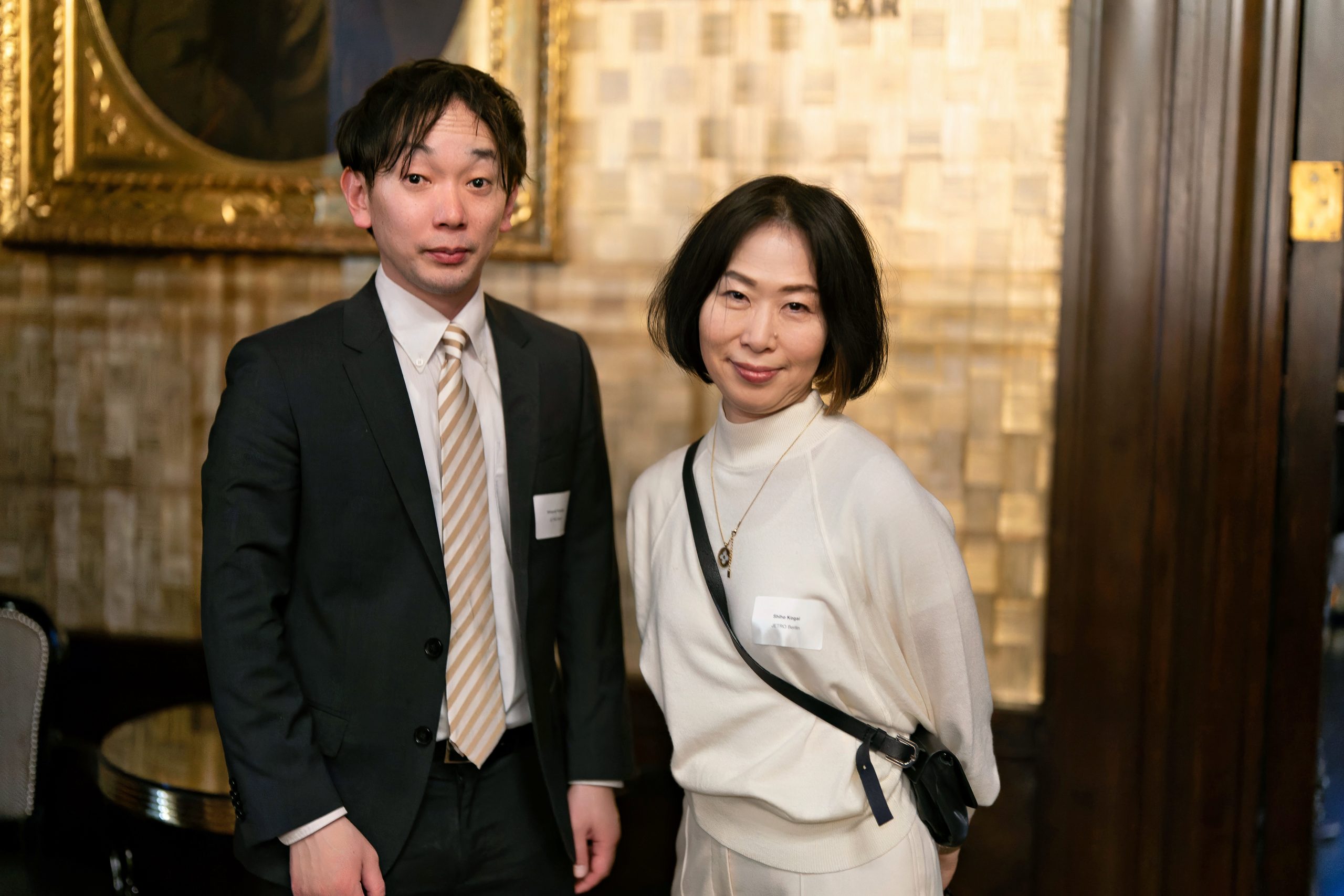
Viele Gäste aus Gastronomie, Lebensmittelhandel, Import und Vertrieb kamen zur Japan Food Show in der Residenz der Botschaft von Japan in Berlin zusammen.
Das Veranstaltungsformat „matchte” japanische Produzenten und Exporteure mit internationalen Gästen.
Organisiert wurde die Japan Food Show gemeinsam mit JETRO, der Japan External Trade Organization. Ziel der Veranstaltung war es, japanische Lebensmittel mit Potenzial für den europäischen Markt nicht nur zu präsentieren, sondern sie im direkten Austausch mit Produzent*innen, Branchenvertreter*innen und Gastronom*innen erlebbar zu machen.
Im Mittelpunkt stand ein neues Produktwelten-Konzept, das japanische Lebensmittel in mehrere thematische Bereiche gliederte.
Dazu zählten japanische Süßwaren und Grüner Tee, Fisch und Fleisch, japanische alkoholische Getränke wie Sake und Wein sowie zentrale Zutaten der japanischen Küche, darunter Reis, Curry, Ramen, Oden, japanische Süßkartoffeln, Miso, Wasabi und Sojasauce. Ergänzt wurde das Konzept durch die Küche der Botschaft als eigene kulinarische Station.
Eröffnet wurde der Abend mit einer Begrüßung durch Minister Kunihiko Kawazu von der Botschaft von Japan.
Im Anschluss hielten die beteiligten Köche kurze Vorträge und gaben Einblicke in ihre kulinarischen Ansätze, bevor die Gäste die Produkte und Gerichte in den einzelnen Produktwelten entdecken konnten.
Für das kulinarische Programm zeichneten Kristof Mulack, Song Lee und Ryohsei Kinoshita verantwortlich.
Sie zeigten auf unterschiedliche Weise, wie vielseitig japanische Zutaten in der modernen Küche eingesetzt werden können: Song Lee setzte mit einer Cutting Show und Sushi-Spezialitäten einen besonderen Akzent, Kristof Mulack schlug mit Udon, Kassler und Sauerkraut die Brücke zwischen Japan und Deutschland, während Ryohsei Kinoshita die Bandbreite von Wagyu in verschiedenen Zubereitungen präsentierte, die bisher wenig bekannt waren.
Zu den ausstellenden Unternehmen gehörten unter anderem Toyo Rice Corporation, Kabuki Feinkost, Ehime Prefecture, Kinjirushi Wasabi, Kibun, Echigo Seika, S&B Foods, Hause Foods, Itoen.

 «Es war eine Achterbahnfahrt der Emotionen, einfach Wahnsinn!», erinnert sich Thomas. So viele Jahre hätten beide die großen Chefs dieser Welt als Idole bewundert. «Und jetzt steht man auf einer Stufe mit denen, das ist schon unglaublich, das begreift man gar nicht so richtig.»
Der Michelin schrieb zur Begründung unter anderem: «Inspiriert von den Sommern auf dem Bauernhof ihrer Großeltern in Deutschland, verwandeln die Brüder traditionelle Techniken wie Fermentieren, Einlegen und Pökeln in zeitgenössisches Fine Dining, bei dem Nostalgie auf Präzision trifft.»
Neben dem «Sühring» hält in ganz Thailand nur das «Sorn» mit seiner südthailändischen Küche drei Sterne.
Bevor sie sich selbstständig machten, sammelten die Brüder Erfahrung bei einigen der renommiertesten Köche Europas. Beide arbeiteten mehrere Jahre im Drei-Sterne-Restaurant «Aqua» von Sven Elverfeld in Wolfsburg. Mathias wechselte später zu Jonnie Boer ins niederländische «De Librije», das seit 2004 drei Michelin-Sterne hält, während Thomas in Rom bei Heinz Beck im Drei-Sterne-Tempel «La Pergola» kochte.
2008 verschlug es die beiden schließlich nach Bangkok: Im Gourmetrestaurant «Mezzaluna» im 65. Stock des ikonischen State Tower übernahmen sie gemeinsam die Küche und machten sich in der internationalen Fine-Dining-Szene der Stadt einen Namen.
Erst Jahre später reifte die Idee, etwas Eigenes zu wagen.
2016 mit dem «Sühring» alles auf eine Karte. «Das war schon etwas blauäugig», sagt Thomas rückblickend.
Sie hätten sogar Zweifel gehabt, ob der von Anfang an geplante Restaurantname mit dem Umlaut «ü» die richtige Wahl war. «Und jetzt sind wir seit zehn Jahren offen, das ist schon unglaublich», sagt Mathias. Und noch immer hätten sie Spaß an der Arbeit wie am ersten Tag.
40 Gäste finden im «Sühring» Platz – bei stolzen 55 Mitarbeitern. Die meisten Gäste stammten aus Asien, einige seien schon ein paar Dutzend Mal dagewesen, erzählen die Brüder. Seit dem dritten Michelin-Stern gebe es aber einen regelrechten Ansturm aus Deutschland, Österreich und der Schweiz.
Ein Sühring-Klassiker darf dabei nie fehlen, und der hat direkt mit der deutschen Wiedervereinigung zu tun. Denn als 1989 die Mauer fiel und die Zwillinge mit zwölf Jahren erstmals den Westen erkundeten, blieb ihnen eine Süßigkeit der Firma Ferrero buchstäblich am Gaumen haften – Hanuta, kurz für «Haselnusstafel».
«Das war das Erste, was wir in West-Berlin gegessen haben. Das ist uns einfach im Kopf geblieben», erzählt Thomas. «Dann haben wir uns gedacht, wie können wir diesen Augenblick, den wir da hatten, festhalten?» So entstand die herzhafte «Entenlebertafel» – oder Enleta. Verfeinert mit Aprikosengelee – und stilecht wie eine Hanuta verpackt – wird sie mit einem Aprikosen-Trinkessig vom Pfälzer Doktorenhof serviert.
Während die Gäste in den Kindheitserinnerungen der Zwillinge schwelgen und zum Abschluss Oma Christas Eierlikör trinken, schaut die alte Dame milde von der Wand. Zwischen Herd und Holzofen sitzt sie – auf einem Bild verewigt – in ihrer Küche in Klein Briesen in Brandenburg. Da, wo Mathias und Thomas Sühring einst ihre Sommer verbrachten – und wo für sie alles begann.
Tipps für einen Trip in die meistbesuchte Stadt der Welt.
Nicht nur kulinarisch hat Thailands Hauptstadt einiges zu bieten. Laut dem «Top 100 City Destinations Index» war Bangkok nach 2024 auch 2025 die meistbesuchte Stadt der Welt. Im vergangenen Jahr kamen mehr als 30 Millionen internationale Gäste, um die Tempel, Paläste und Wasserwege der Glitzermetropole zu erleben. Welche fünf Hotspots sollten Besucher auf keinen Fall verpassen?
Der Große Palast und der Smaragd-Buddha
Die prächtige Anlage des Grand Palace gehört zu den wichtigsten Sehenswürdigkeiten des Landes. Im Tempel Wat Phra Kaeo befindet sich der berühmte Smaragd-Buddha – das wohl wichtigste Nationalheiligtum Thailands. Eigentlich ist die Figur übrigens aus grüner Jade gefertigt. Nur wenige Schritte entfernt liegt der traditionsreiche Wat Pho. Weltberühmt ist der 46 Meter lange goldene liegende Buddha, der hier untergebracht ist.
Tempel der Morgenröte
Direkt am mächtigen Fluss Chao Phraya erhebt sich die imposante Anlage des Wat Arun. Besonders bei Sonnenuntergang glitzern seine mit Porzellan verzierten Türme spektakulär über dem Wasser. Am schönsten ist die Anreise mit einer kleinen Fähre oder einem Touristenboot. Magisch ist der Sonnenuntergang vom Wasser oder vom anderen Ufer aus, wenn der Tempel zunehmend in goldenem Licht erstrahlt.
Blick über die Skyline vom Mahanakhon
Wer Bangkok von ganz oben erleben möchte, fährt auf die Aussichtsplattform des Wolkenkratzers King Power Mahanakhon. Das markante «pixelige» Design des Gebäudes stammt vom deutschen Architekten Ole Scheeren.
In mehr als 300 Metern Höhe bietet sich ein spektakulärer Rundumblick über die Metropole, die nach Sonnenuntergang in einem Meer aus Licht glitzert. Der gläserne Skywalk, von dem der Blick direkt in die Tiefe geht, ist allerdings nichts für Menschen mit Höhenangst.
Streetfood in Chinatown
Im Viertel Yaowarat pulsiert das Leben: Straßenstände, Neonlichter und Garküchen machen die Gegend zu einem der besten Orte, um Bangkoks legendäres Streetfood zu probieren. Daneben gibt es hippe Bars und Cafés, die meisten in charmanten chinesischen Shophouses. Eine besondere Empfehlung sind das Restaurant «Ba hao» und die Rooftop-Bar im «Wallflowers Cafe».
«Es war eine Achterbahnfahrt der Emotionen, einfach Wahnsinn!», erinnert sich Thomas. So viele Jahre hätten beide die großen Chefs dieser Welt als Idole bewundert. «Und jetzt steht man auf einer Stufe mit denen, das ist schon unglaublich, das begreift man gar nicht so richtig.»
Der Michelin schrieb zur Begründung unter anderem: «Inspiriert von den Sommern auf dem Bauernhof ihrer Großeltern in Deutschland, verwandeln die Brüder traditionelle Techniken wie Fermentieren, Einlegen und Pökeln in zeitgenössisches Fine Dining, bei dem Nostalgie auf Präzision trifft.»
Neben dem «Sühring» hält in ganz Thailand nur das «Sorn» mit seiner südthailändischen Küche drei Sterne.
Bevor sie sich selbstständig machten, sammelten die Brüder Erfahrung bei einigen der renommiertesten Köche Europas. Beide arbeiteten mehrere Jahre im Drei-Sterne-Restaurant «Aqua» von Sven Elverfeld in Wolfsburg. Mathias wechselte später zu Jonnie Boer ins niederländische «De Librije», das seit 2004 drei Michelin-Sterne hält, während Thomas in Rom bei Heinz Beck im Drei-Sterne-Tempel «La Pergola» kochte.
2008 verschlug es die beiden schließlich nach Bangkok: Im Gourmetrestaurant «Mezzaluna» im 65. Stock des ikonischen State Tower übernahmen sie gemeinsam die Küche und machten sich in der internationalen Fine-Dining-Szene der Stadt einen Namen.
Erst Jahre später reifte die Idee, etwas Eigenes zu wagen.
2016 mit dem «Sühring» alles auf eine Karte. «Das war schon etwas blauäugig», sagt Thomas rückblickend.
Sie hätten sogar Zweifel gehabt, ob der von Anfang an geplante Restaurantname mit dem Umlaut «ü» die richtige Wahl war. «Und jetzt sind wir seit zehn Jahren offen, das ist schon unglaublich», sagt Mathias. Und noch immer hätten sie Spaß an der Arbeit wie am ersten Tag.
40 Gäste finden im «Sühring» Platz – bei stolzen 55 Mitarbeitern. Die meisten Gäste stammten aus Asien, einige seien schon ein paar Dutzend Mal dagewesen, erzählen die Brüder. Seit dem dritten Michelin-Stern gebe es aber einen regelrechten Ansturm aus Deutschland, Österreich und der Schweiz.
Ein Sühring-Klassiker darf dabei nie fehlen, und der hat direkt mit der deutschen Wiedervereinigung zu tun. Denn als 1989 die Mauer fiel und die Zwillinge mit zwölf Jahren erstmals den Westen erkundeten, blieb ihnen eine Süßigkeit der Firma Ferrero buchstäblich am Gaumen haften – Hanuta, kurz für «Haselnusstafel».
«Das war das Erste, was wir in West-Berlin gegessen haben. Das ist uns einfach im Kopf geblieben», erzählt Thomas. «Dann haben wir uns gedacht, wie können wir diesen Augenblick, den wir da hatten, festhalten?» So entstand die herzhafte «Entenlebertafel» – oder Enleta. Verfeinert mit Aprikosengelee – und stilecht wie eine Hanuta verpackt – wird sie mit einem Aprikosen-Trinkessig vom Pfälzer Doktorenhof serviert.
Während die Gäste in den Kindheitserinnerungen der Zwillinge schwelgen und zum Abschluss Oma Christas Eierlikör trinken, schaut die alte Dame milde von der Wand. Zwischen Herd und Holzofen sitzt sie – auf einem Bild verewigt – in ihrer Küche in Klein Briesen in Brandenburg. Da, wo Mathias und Thomas Sühring einst ihre Sommer verbrachten – und wo für sie alles begann.
Tipps für einen Trip in die meistbesuchte Stadt der Welt.
Nicht nur kulinarisch hat Thailands Hauptstadt einiges zu bieten. Laut dem «Top 100 City Destinations Index» war Bangkok nach 2024 auch 2025 die meistbesuchte Stadt der Welt. Im vergangenen Jahr kamen mehr als 30 Millionen internationale Gäste, um die Tempel, Paläste und Wasserwege der Glitzermetropole zu erleben. Welche fünf Hotspots sollten Besucher auf keinen Fall verpassen?
Der Große Palast und der Smaragd-Buddha
Die prächtige Anlage des Grand Palace gehört zu den wichtigsten Sehenswürdigkeiten des Landes. Im Tempel Wat Phra Kaeo befindet sich der berühmte Smaragd-Buddha – das wohl wichtigste Nationalheiligtum Thailands. Eigentlich ist die Figur übrigens aus grüner Jade gefertigt. Nur wenige Schritte entfernt liegt der traditionsreiche Wat Pho. Weltberühmt ist der 46 Meter lange goldene liegende Buddha, der hier untergebracht ist.
Tempel der Morgenröte
Direkt am mächtigen Fluss Chao Phraya erhebt sich die imposante Anlage des Wat Arun. Besonders bei Sonnenuntergang glitzern seine mit Porzellan verzierten Türme spektakulär über dem Wasser. Am schönsten ist die Anreise mit einer kleinen Fähre oder einem Touristenboot. Magisch ist der Sonnenuntergang vom Wasser oder vom anderen Ufer aus, wenn der Tempel zunehmend in goldenem Licht erstrahlt.
Blick über die Skyline vom Mahanakhon
Wer Bangkok von ganz oben erleben möchte, fährt auf die Aussichtsplattform des Wolkenkratzers King Power Mahanakhon. Das markante «pixelige» Design des Gebäudes stammt vom deutschen Architekten Ole Scheeren.
In mehr als 300 Metern Höhe bietet sich ein spektakulärer Rundumblick über die Metropole, die nach Sonnenuntergang in einem Meer aus Licht glitzert. Der gläserne Skywalk, von dem der Blick direkt in die Tiefe geht, ist allerdings nichts für Menschen mit Höhenangst.
Streetfood in Chinatown
Im Viertel Yaowarat pulsiert das Leben: Straßenstände, Neonlichter und Garküchen machen die Gegend zu einem der besten Orte, um Bangkoks legendäres Streetfood zu probieren. Daneben gibt es hippe Bars und Cafés, die meisten in charmanten chinesischen Shophouses. Eine besondere Empfehlung sind das Restaurant «Ba hao» und die Rooftop-Bar im «Wallflowers Cafe».