Amazing only 5% of the Portugese live in the Alenteja.
Two days are defintely too short to feel and see everything
Contributed by Jens Hoffmann
We declared that the Alentejo is one of the Places you should have to taste
Surely one the Best Destinations in the world, full of rolling cork forests, long Atlantic coast, and vast blue skies.
The Alentejo is emerging as the place people go to reconnect and appreciate life.
The Wines of Alentejo are amazing.
Over 500 Wineries cover almost 50% of Alentejo vineyard land.
This is vital in a relatively dry region, one where the environment is closely tied to the way of life.
The Alentejo is Portugal’s wine country and centuries of tradition mix with the latest tech to produce world-class wine.
The region’s vineyards are very productive due to the warm summer temperatures and abundance of sun, plus the wisdom of local winemakers creates unique varieties ranging from light white wines to bold reds.
There are 8 sub-regions of Alentejo wine, including the enchanting towns of Évora, Moura, Portalegre, and Redondo.
Different microclimates and the moderating coast influence led to a wide array of wines. And the grape varieties are almost all distinct to the region.
They include Abundante, Alfrocheiro Preto, Alicante Bouschet, Antão Vaz, Arinto, Diagalves, Fernão Pires, Manteudo, Moreto, Palomino, Periquita, Rabo de Ovelha, and Trincadeira.
The ‘montados’ cork forests of the Alentejo embrace its many wine lands — and act as home to rare species of plants and animals.
The cork oak is the key to the Alentejo’s living landscape. Here cork trees extend for miles and each tree plays a vital role in a balanced ecosystem. Their bark is harvested every nine years, and a tree can live for centuries. The cork trees provide food for animals, which allows for the preservation of native species and the continued use of ancient herding techniques. And, the shade of the montados offers a unique place to sit back and enjoy the view of vineyards and olive groves.
In the Alentejo wine has been cultivated for millennia, and you can experience its creation today and learn from local winemakers. During the grape harvest, running from late August into September, many wineries and farms offer harvesting experience, grape stomping and cellar tours. The Alentejo Wine Route is the perfect planning tool to find and experience new wines.
We love the Alentejo.
A country of advenure and the band “Bang Gang” is an art pop oddity.
“I was doing music for a new, privately owned TV station and I started joking with the owners, ‘Why don’t we make the first erotic comedy TV show in Iceland,’” explains Barði Jóhannsson, the musical mastermind behind Iceland’s Bang Gang.
“They joked, ‘Why don’t you produce it,’ and I was like, ‘Oh OK. Why don’t you give me money and I’ll do it.”
Miraculously—given the slender not mention rather random pitch from a man who’d never made a TV show in his life—the channel ponied up the money and Jóhannsson made two episodes of so called “erotic comedy” which ended up as the highest rated show on the network. Only in Iceland.
For those unfamiliar, Barði Jóhannsson is something of a Renaissance man who’s been making music in various guises, but primarily as Bang Gang, for nearly 20 years. While you’d be forgiven for saying his moniker the wrong way round—and sniggering—if you google it incorrectly, you’ll get an eyeful. In his defense though, the internet was barely in existence when he christened the outfit in 1996. Back then it was a surf rock project with his pal Henrik Björnsson, who then went on to form Singapore Sling. In the intervening 19 years Bang Gang has released four albums, including this year’s The Wolves Are Whispering a beautifully realized collection of atmospheric pop, it’s also his first record in seven years, which is what brings Noisey to Reykjavik.
To celebrate the return of Bang Gang, the night before Jóhannsson played his first show in two years at the understated, but still quite regal Gamla Bíó. It was a hometown show crammed to the rafters with fans and family, and a clutch of international friends who’d flown in especially for the occasion, including frequent collaborator Daniel Hunt of Ladytron (over from Sao Paulo), Air’s Jean-Benoît Dunckel in from Paris (they also make music together as Starwalker, more on which later), with the latter two both joining Jóhannsson onstage that evening. Elsewhere, indie-synth upstarts Is Tropical popped over from East London for opening set DJ duties. Oh and Jóhannsson’s mom was there too, rubbing shoulders with Múm’s Gunnar Örn Tynes, Iceland’s biggest rapper Gísli Pálmi, someone from Sigur Ros (of course), and Jón Gnarr, a stand-up comedian and actor who, in 2010 decided run for office to be the city’s mayor. It was a prank, an act of satire, and a protest against those who’d landed his country in such a financial pickle. Surprisingly and rather brilliantly, he was elected and spent four years in office. Again, only in Iceland.
When I ran into Jóhannsson ahead of the show and asked him if he was looking forward to it, he fixed me with a deadpan blue-eyed stare: “I’m looking forward to it being over.” He may have been beset with nerves, but he needn’t have worried: Jóhannsson delivered the new LP’s gorgeous grooves with confident ease. Amidst swirling dry ice with dark purple, blue, and mauve pools of light illuminating Jóhannsson and his musical cast like auras, songs like the muted Nordic beauty of “Wait by the Lake” and the slow build surge of “Out of Horizon,” enveloped the room. In the pauses between he cracked jokes, much to the audience’s delight. Humor, as I soon came to discover, is Bardi Jóhannsson’s secret weapon.
Photo: Hotel Alda
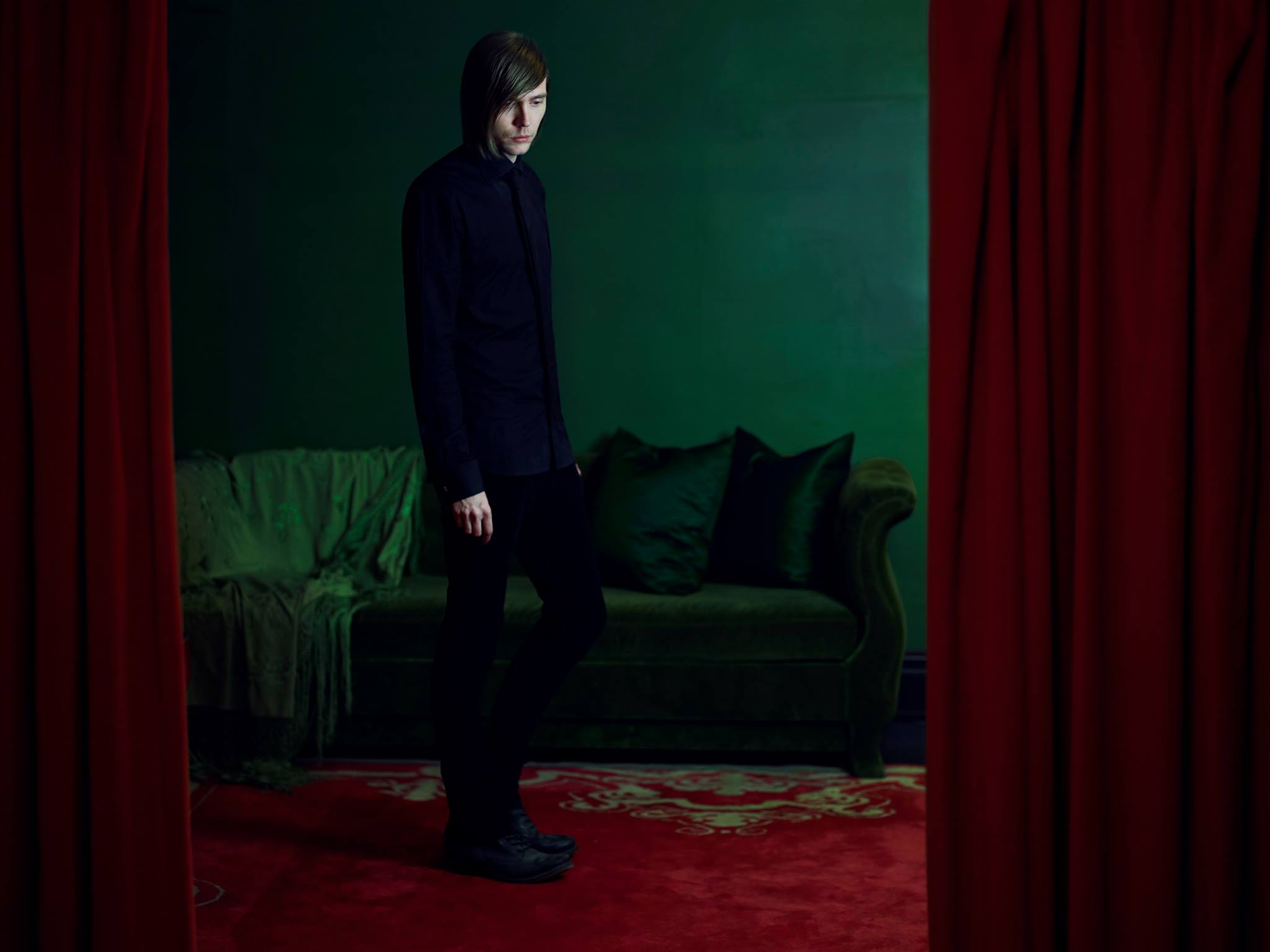
The morning after the night before, I join Jóhannsson on the couches in the lobby of Alda Hotel, a coolly minimalist spot nestled in the center of Reykjavik, on one of the city’s many cobbled streets. Local and international musicians drift in and out, Jóhannsson, dressed in head-to-toe black nods his hellos. His wardrobe, by the way, is entirely lacking and color and it’s a running joke that this pale-skinned, lanky musician is in fact a vampire.
Newly 40, if he’s hungover from the celebratory, vodka-soaked after party, he’s not showing it. Lauded in his own country, Europe, and territories as far-flung as China, Jóhannsson’s career as a multi-disciplinary artist—including that erotic comedy show—is winding and full of random tangents. Music wasn’t even his first love: as a child, he wanted to emulate his grandfather and become lawyer. Rather than watch crime shows, 14-year-old Jóhannsson nerdily immersed himself in his granddad’s transcripts of hearings, eagerly flipping through to the end to find out the verdict. Later, at 16, he formed a punk band with his friend—just two guitars and a drum machine. They enthusiastically recorded 20 cassette tapes and placed them in their local store (officially, they only sold one) and entered a school talent show.
“I stepped on the cable and it unplugged the guitar and I didn’t even notice, so I was playing for like three minutes, and really feeling it, and no sound was coming out!” he recalls, laughing. “We would do punk versions of ABBA songs.” Sometimes they’d sing death metal in operatic tones. They were awarded a special prize for creativity. Several years later Jóhannsson studied to be an Icelandic language teacher, before setting his sights on fashion design. “I was always making music but I never thought, ‘I want to be a musician’—it was just something that happened.”
The fourth song he ever released wound up on a compilation and caught the ear of Warners in France, which snowballed into his fourth ever live show taking place on French TV in front of a million eyeballs. Talk about trial by fire. Bang Gang’s 1998 debut You, with its glacial trip-hop electronics, featured the vocals of Esther Talia Casey, and although musically Bang Gang now sounds like an entirely different act, utilizing guest vocalists is a thread that’s evident in all Jóhannsson’s records up to this point. Even on The Wolves Are Whispering there are guest spots from Helen Marnie of Ladytron, Jofridur Akadottir (of Samaris and Icelandic buzz band Gangly, who also opened the night before), as well as frequent partner in crime, Isreali solo artist Keren Ann. But increasingly, the man who never intended to be a leader, nevermind lead singer, has stepped into the spotlight in more ways than one.
“I’m being more honest—I say what I think, sometimes it’s a good thing and sometimes it’s a bad thing,” he explains, taking a sip of coffee. “Before I wouldn’t say anything, my lyrics are really coded. On my third record [Ghosts from the Past] I was more open, and this one is really direct.” Album closer “We Will Never Get Along,” is a clear example of this, a spiked break up song even though the lyrics are breathily intoned—“You kept me dizzy with your lies / Until my heart was paralyzed.”
Elsewhere, “My Special One” reveals itself to be one of the record’s standout gems. Over plaintive piano chords and a patina of swoony strings, Jóhannsson seems to be singing a tender tune to a lover, but really the object of his affection is his young daughter. When he talks about her he fairly glows. Jóhannsson may traipse the globe, but he keeps returning to Iceland—for his daughter, sure, but the small island, with its jagged rock faces, thunderous waterfalls, and snow-dusted peaks is tough leave for protracted periods of time.
“Like here, you can look out the window and see the sky, or you’re in the city, but you see the sea,” he says, gesturing to the glass pane behind him. “I think I need that. All the artists from Iceland that work abroad, we’re always drawn back, Bjork, Sigur Ros, models—they all come back.”
He continues: “There’s the rock scene, there’s the woolen-sweaters-doing the-cute-stuff scene, and I have friends in all the scenes, but I don’t belong—I’m always by myself.”
Most recently Jóhannsson’s formed a partnership with Air’s aforementioned Jean-Benoît Dunckel under the banner Starwalker, releasing a bunch of melancholic and ethereal synth-pop, including “Blue Hawaii,” which we premiered in 2014, with a proper full length penciled for next year. It won’t be the first full length side project: 2003 was all about Lady & Bird a joint effort of baroque pop, embracing brass and copious string segments, with the aforementioned Keren Ann. The six-minute song “Liberty” sounds most like the soundtrack to a classic Disney animation set in some Scandi hills just as winter’s thawing to spring.
“When we meet we do something special together and when we sing together it sounds like one voice,” he says of their longstanding partnership. “It would be best for my career if I was to only do pop music and only have my band and release records every two or three years. That would have made a big difference.” He shrugs: “I like a challenge, so Keren and I did an opera—which we’re trying to adapt to an animation…”
Ah yes, he’s talking about Red Waters, which had a 2011 run at four opera houses around France. “The opera is about twins who are separated at birth, it’s a love story, it’s about incest,” he says matter-of-factly. “It’s surrealistic also: There’s a river of red wine that runs through the town and in order for the wine to continue flowing each time twins are born the townspeople have to sacrifice twins to renew the wine. If they don’t have the wine the citizens get dry mouth, headaches and start to feel really bad.”
He continues to explain the story of a set of twins separated at birth by a kind-hearted midwife. Through a series of events the male twin eventually meets and falls in love with his sister—whoops, but really how were they to know?—while the town plans the ceremony to kill them to keep the river boozy. It sounds really dark. “Yeah, yeah!” he says gleefully. “The opera ends with them both being killed.”
From the outset, Jóhannsson’s music was easily co-opted as an evocative score—picked up for car commercials (Citroen) and fashion ads (Armani), while the gentle heartstring-plucking song that is “I Follow” soundtracked a (no doubt emotionally overwrought) scene from The O.C. (not to mention scores he’s composed specifically for films and documentaries). There was also that previously noted stint creating music for the Icelandic TV channel, which lead to his erotic comedy show, the success of which presented yet another unlikely endeavor: creating and scripting an entire comedy series (sans the erotica) called Konfekt, alongside his old partner in crime Henrik Björnsson. It’s now achieved cult status.
“It was basically our private humor, but it was advertised as a cultural show which they put on prime time at 9 PM on Saturday evening,” he explains. “By the second show they moved it to Monday at 6 because the phone was on fire with complaints. At that time there was no one doing any weird stuff on TV.”
Their sketches included interviews where the host would spit copiously while talking, nonsense poetry, and painting their cast “more and more green” as a nod to TV make-up artists’ excessive use of bronzer. They’d interview famous writers and to liven up the broadcast they’d televise these interviews backwards. Sometimes entire sketches would unfold in a language that sounded like Icelandic, but was entirely made up.
“We had an art critic, who is now the head of the Icelandic museum of modern and he’s an artist himself, and he would go to art openings and drink all the free alcohol and mock the artists and exhibitions,” says Jóhannsson. “It was basically anti-TV.”
The show caused such a stir, his grandma asked him to cease and desist: “She was like, ‘How can you do this to your family?!’” As it happened Konfekt had a finite run, but it’s yet another example of Jóhannsson’s creativity as he refuses to be hemmed in, not only by expectations, but also societal codes and traditional trajectories.
“I’m everything a musician shouldn’t be,” he says. “For one, I’m really organized, and I think it’s because making music doesn’t make any sense. You start the song, you don’t know if you’re going to finish it, or how long it’s going to take, you always want to change it. For me it’s not like if you have to put a tree in a hole: When you start writing you never know if it’s actually going to be a song. Maybe it’s just going to be an idea that won’t work, then you have to work on it more, then you have to finish the lyrics. I like to listen to it maybe four months later to decide if it’s good or not. It doesn’t make any sense.”
Despite moving entirely to his own a-rhythmic beat—drifting between disciplines and projects and allowing seven years to elapse between Bang Gang records because he was occupied with other artistic pursuits, Jóhannsson’s music continues to connect, not only in his home country where he’s very much celebrated, but also abroad, in regions as far-flung as China, where he’s played five times. On his first trip to Asia Jóhannsson played for 300 fans, by his second he was performing for 2000 and audience members were weeping with emotion.
“They’re so thankful that you come because not that many bands go there,” he says. “Also I don’t look very Chinese so maybe it’s also exciting for them too. They want photos after the shows and I don’t smile in photos. After the shows I’m sweating and it’s China, it’s hot, and not like Iceland. One time there was a long line of people who wanted photos and autographs. They came to me and said: ‘Smell. You smell!’ And the first time they were saying this I thought, ‘How rude! I don’t smell generally even though I’m sweating, I don’t smell.’ But then I realized they weren’t saying you smell, but smile.”
So did you smile? “No, I smiled in my heart. I learned this from my grandmother. She doesn’t smile in photos because she says when she smiles her face deforms in photos.” He demonstrates what he means and he’s right: he does look kind of weird. But that’s Barði—making weird moves at his own pace, composing moving music while keeping a straight face, and all the while he’s most definitely smiling on the inside.
Iceland – sweet home
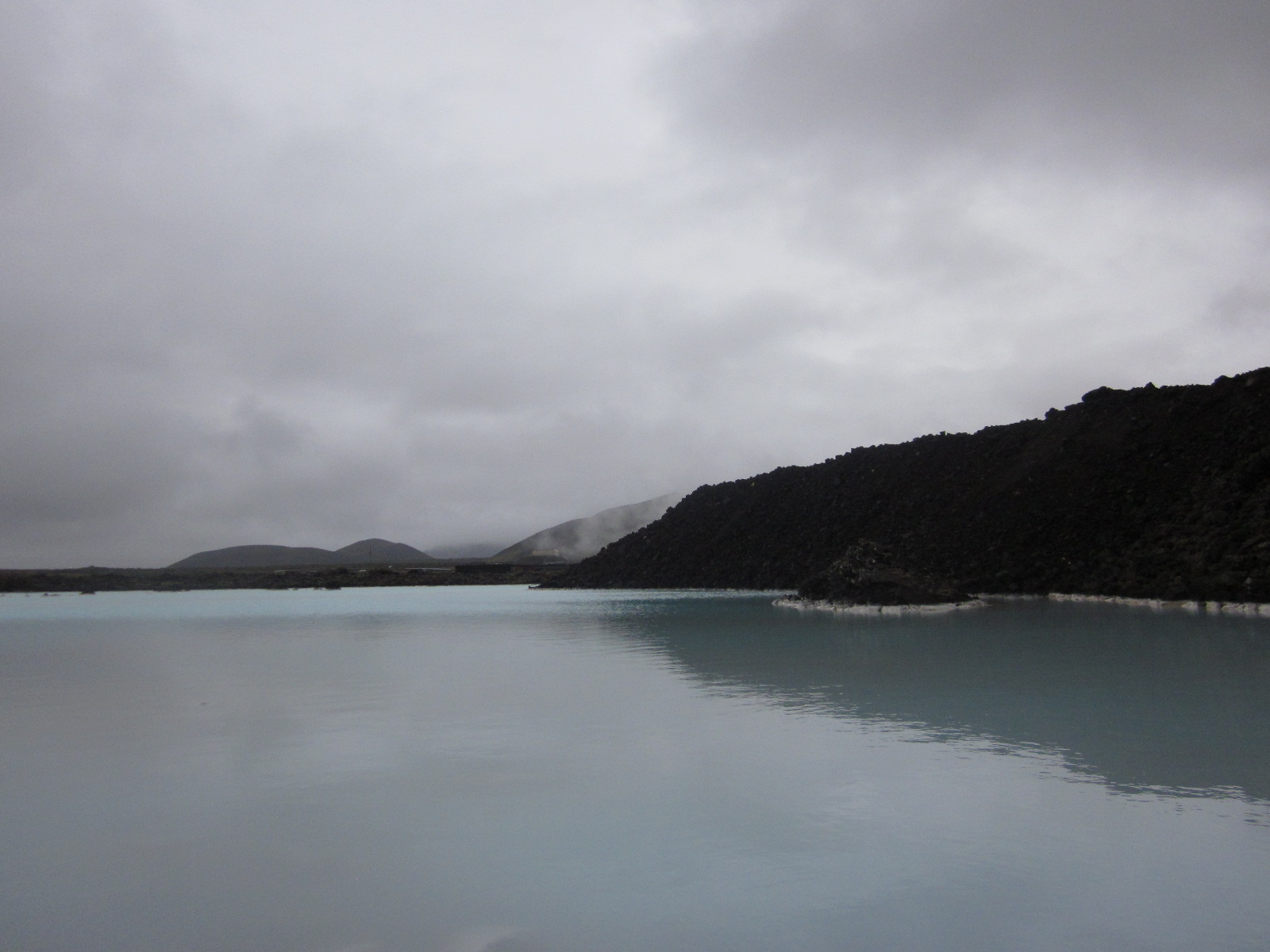
Go back home! Just kidding. Vík is a village in South Iceland and there’s a lot of black sand and I’ve shot two videos there. You can go on an island that’s not an island anymore because the sea has disappeared. It’s cool. Blue lagoon or there’s a similar lagoon in north of Iceland [Myvatn Nature Baths] which is really nice.
There are only tourists there but it’s a little less crowded. And the north is just really cool anyway. I normally got to Tapas to eat. My favorite plate there is marinated lamb and liquorice sauce. Glo is great to eat too. It’s healthy raw food. Drive around the entirety of Iceland—you can do it in three days if you don’t sleep too much but otherwise 10 days is a good time for that. I think the most beautiful place in Iceland is Asbyrgri. You drive and you see nothing and then there’s like a cut, like a horseshoe in the mountain. They say the canyon was formed when Odin’s eight-legged horse, Sleipnir, touched one of its feet to the ground here. There’s a little lake there. There’s a lot of trees and since it’s in the mountains there’s not much wind.
Destination Indonesia – The only person dictating your time is you
Contributed by feature reporter and influencer Jens Hoffmann
Walking around Bandung – it’s not hard to imagine what this West Javanese city would have looked like when it had been made Indonesia’s Capital 100 years ago.
Although the dutch colonialist plan to move the seat of the from Batavia (today Jakarta) to Bandung was interruped by the Second World War, the offical buildings, transport connections and well and nicely designed university campus they constructed still remain.
Bandung is a lovely and bustling Southeast Asian city that’s known as a for clothng manufactoring. It is nestled between forest covered mountains and attracts with a nice climate. Also opportunities for golfers and hikers.
The three million people city as a lot to offer far more than shopping. Truly a creative city with a pool of talent produced by art, design and lots of cultral institutions. Easy to enjoy here, the next stop was Yogyakarta named Jogia before we travelled to Bali and checked in at the Como Shmambala.
This smooth hotel is set amid the tropical foliage of Ayung River valley.
We shaked up our chakras at Bali’s most luxurious health retreat.
The estate combines luxury and holistic wellness deep within the rainforest overlooking the stunning River Ayung.
It was easy to unstress of life and realign your chi while you’re at it.
The real wow factor is the holistic element – this is where you can detox, de-stress and revitalise.
The COMO Shambhala Estate is more than a normal hotel. It’s a sumptuous combination of the two, staggered up the steep slopes of the sacred Ayung river gorge. Previously known as Begawan Giri, the estate has been recreated and offers you lot of freedom to choose what you need.
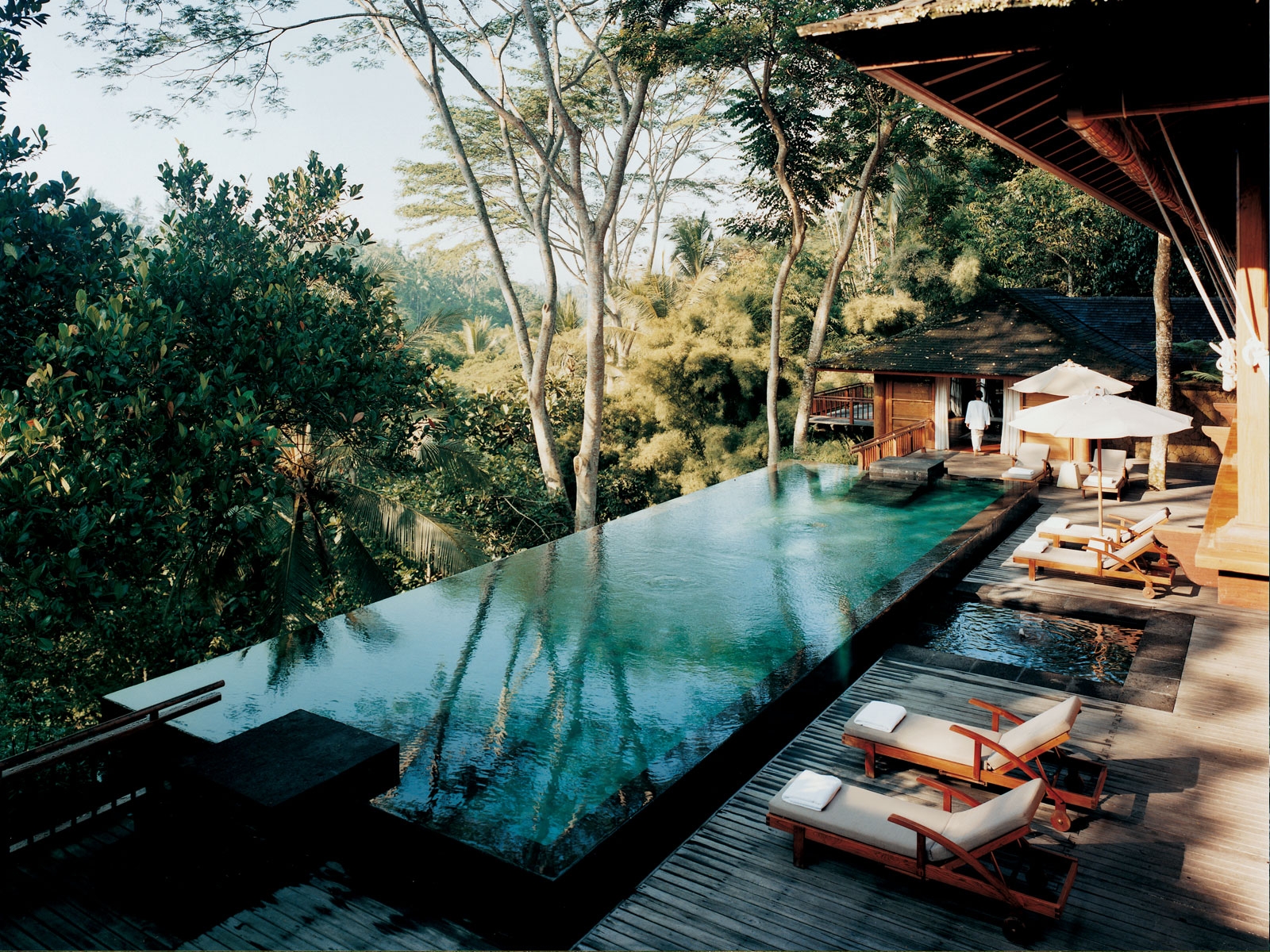
The incredible Residences and Villas display the COMO trademark Asian-meets-European decor. Alang-alang roofs shelter hand-carved furniture and Chinese antiques; baths are carved from Sumban stone. Each has a private infinity pool. We learned a lot of things about Qi Gong, meditation and Ayurvedic treatments.
For me one of the world’s most beautiful hotels with acres of stunning tropical grounds, riverside forest and plunging hill terraces. We checked in @ a huge, uniquely styled residence with a great pool.
Bali offers fantastic landscapes and an amazing architecture.
It is only a 20-minute drive from Ubud, the setting is pretty remote and once you’re there, you probably won’t leave the grounds.
It was a fantastic experience.
The press trip was supported by Como hotels.
Contributed by Jens Hoffmann
HK is not only one of Asia’s funkiest cities for a break – it can be also one of the most affordable if you know the city.
And full of luxury and joy.
Particular when you know some people you bring you to caraoke and free outdoor entertainment adds an extra sheen for guests keen to enjoy a brilliant (foodie) breal without breaking the bank.
We went through the airport and then straight escorted into our taxi, there’s not a better way to arrive in Hong Kong. A short lunch break is always nice.
We checked in at the Conrad Hotel.
The lobby is understated for such a grande dame of a hotel. As you walk in you feel straight away good. We had been upgraded to a suite and had a fantastic view through the harbour. The warm living room was supremely comfortable, and featured a sofa facing a flatscreen over a coffee table.
A room with a view.
The room looked out over the harbour and I am still in love with this view. The bathroom was amazing, toiletries were some of the best I’ve ever come across, and in decently-sized containers that actually squeeze properly into your hands, which is remarkably unusual.
If your budget stretches to the suite, go 4 it. Beautyful, great to be here.
I love far-flung exotic experiences and latest reflections.
The 5-star Conrad hotel is one of my favourite world’s finest (business) hotels. It offers corporate & fun travellers a great harbour view and I even saw an eagle from my room.
A superb location with a unique sense of style, 61 floors above Pacific Place, an upscale retail and entertainment complex in Hong Kong’s central business district. Furthermore it offers easy access to many sites of interest, as well as all major transportation networks, including the Mass Transit Railway, Star Ferry eg.
Long time ago, I stayed next to Vivienne Westwood, the fashion designer largely responsible for bringing modern punk and new wave fashions into the households, which was very special to meet her during breakfast.
RIP!
I will never forget her.
Dream & discover, you must do the do the HK peak tour.
As I said Hong Kong is perfect for foodies, international experiences e.g..
Sweet ending. A bit of Thailand in HK, sticky rice with mango. Yummy.
If you are in the mood go to Shenzen and viit BYD..


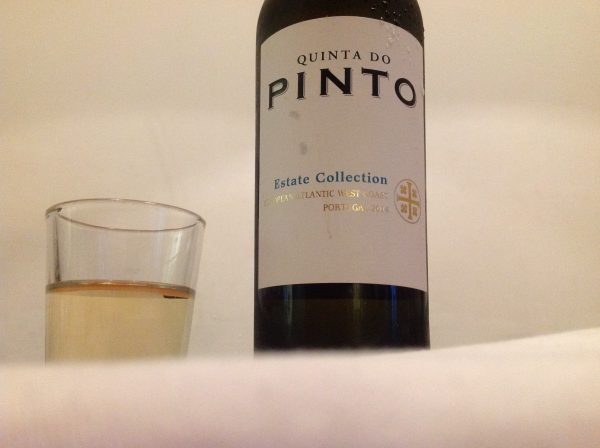 Over 500 Wineries cover almost 50% of Alentejo vineyard land.
This is vital in a relatively dry region, one where the environment is closely tied to the way of life.
Over 500 Wineries cover almost 50% of Alentejo vineyard land.
This is vital in a relatively dry region, one where the environment is closely tied to the way of life.
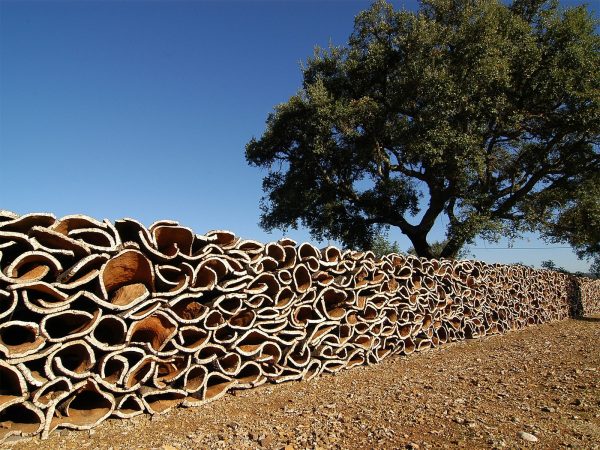 The Alentejo is Portugal’s wine country and centuries of tradition mix with the latest tech to produce world-class wine.
The region’s vineyards are very productive due to the warm summer temperatures and abundance of sun, plus the wisdom of local winemakers creates unique varieties ranging from light white wines to bold reds.
There are 8 sub-regions of Alentejo wine, including the enchanting towns of Évora, Moura, Portalegre, and Redondo.
Different microclimates and the moderating coast influence led to a wide array of wines. And the grape varieties are almost all distinct to the region.
They include Abundante, Alfrocheiro Preto, Alicante Bouschet, Antão Vaz, Arinto, Diagalves, Fernão Pires, Manteudo, Moreto, Palomino, Periquita, Rabo de Ovelha, and Trincadeira.
The ‘montados’ cork forests of the Alentejo embrace its many wine lands — and act as home to rare species of plants and animals.
The cork oak is the key to the Alentejo’s living landscape. Here cork trees extend for miles and each tree plays a vital role in a balanced ecosystem. Their bark is harvested every nine years, and a tree can live for centuries. The cork trees provide food for animals, which allows for the preservation of native species and the continued use of ancient herding techniques. And, the shade of the montados offers a unique place to sit back and enjoy the view of vineyards and olive groves.
The Alentejo is Portugal’s wine country and centuries of tradition mix with the latest tech to produce world-class wine.
The region’s vineyards are very productive due to the warm summer temperatures and abundance of sun, plus the wisdom of local winemakers creates unique varieties ranging from light white wines to bold reds.
There are 8 sub-regions of Alentejo wine, including the enchanting towns of Évora, Moura, Portalegre, and Redondo.
Different microclimates and the moderating coast influence led to a wide array of wines. And the grape varieties are almost all distinct to the region.
They include Abundante, Alfrocheiro Preto, Alicante Bouschet, Antão Vaz, Arinto, Diagalves, Fernão Pires, Manteudo, Moreto, Palomino, Periquita, Rabo de Ovelha, and Trincadeira.
The ‘montados’ cork forests of the Alentejo embrace its many wine lands — and act as home to rare species of plants and animals.
The cork oak is the key to the Alentejo’s living landscape. Here cork trees extend for miles and each tree plays a vital role in a balanced ecosystem. Their bark is harvested every nine years, and a tree can live for centuries. The cork trees provide food for animals, which allows for the preservation of native species and the continued use of ancient herding techniques. And, the shade of the montados offers a unique place to sit back and enjoy the view of vineyards and olive groves.
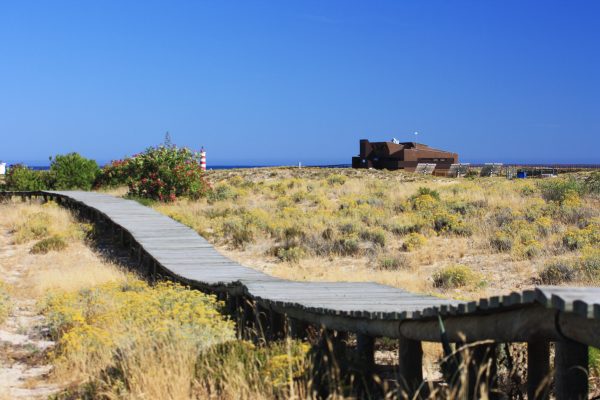 In the Alentejo wine has been cultivated for millennia, and you can experience its creation today and learn from local winemakers. During the grape harvest, running from late August into September, many wineries and farms offer harvesting experience, grape stomping and cellar tours. The Alentejo Wine Route is the perfect planning tool to find and experience new wines.
We love the Alentejo.
In the Alentejo wine has been cultivated for millennia, and you can experience its creation today and learn from local winemakers. During the grape harvest, running from late August into September, many wineries and farms offer harvesting experience, grape stomping and cellar tours. The Alentejo Wine Route is the perfect planning tool to find and experience new wines.
We love the Alentejo.










 HK is not only one of Asia’s funkiest cities for a break – it can be also one of the most affordable if you know the city.
And full of luxury and joy.
HK is not only one of Asia’s funkiest cities for a break – it can be also one of the most affordable if you know the city.
And full of luxury and joy.
 Particular when you know some people you bring you to caraoke and free outdoor entertainment adds an extra sheen for guests keen to enjoy a brilliant (foodie) breal without breaking the bank.
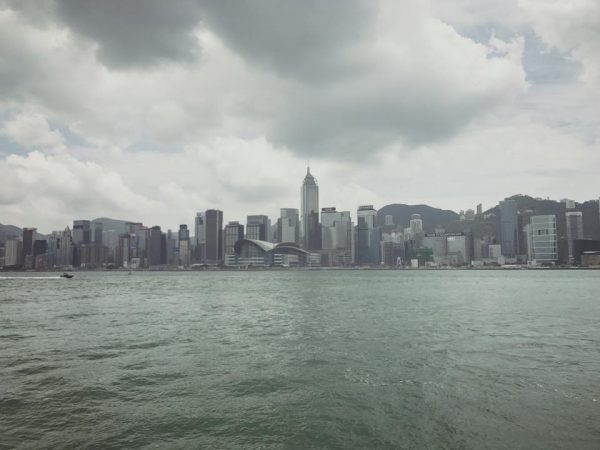 We went through the airport and then straight escorted into our taxi, there’s not a better way to arrive in Hong Kong. A short lunch break is always nice.
 We checked in at the Conrad Hotel.
The lobby is understated for such a grande dame of a hotel. As you walk in you feel straight away good. We had been upgraded to a suite and had a fantastic view through the harbour. The warm living room was supremely comfortable, and featured a sofa facing a flatscreen over a coffee table.
A room with a view.
The room looked out over the harbour and I am still in love with this view. The bathroom was amazing, toiletries were some of the best I’ve ever come across, and in decently-sized containers that actually squeeze properly into your hands, which is remarkably unusual.
If your budget stretches to the suite, go 4 it. Beautyful, great to be here.
I love far-flung exotic experiences and latest reflections.
The 5-star Conrad hotel is one of my favourite world’s finest (business) hotels. It offers corporate & fun travellers a great harbour view and I even saw an eagle from my room.
A superb location with a unique sense of style, 61 floors above Pacific Place, an upscale retail and entertainment complex in Hong Kong’s central business district. Furthermore it offers easy access to many sites of interest, as well as all major transportation networks, including the Mass Transit Railway, Star Ferry eg.
We checked in at the Conrad Hotel.
The lobby is understated for such a grande dame of a hotel. As you walk in you feel straight away good. We had been upgraded to a suite and had a fantastic view through the harbour. The warm living room was supremely comfortable, and featured a sofa facing a flatscreen over a coffee table.
A room with a view.
The room looked out over the harbour and I am still in love with this view. The bathroom was amazing, toiletries were some of the best I’ve ever come across, and in decently-sized containers that actually squeeze properly into your hands, which is remarkably unusual.
If your budget stretches to the suite, go 4 it. Beautyful, great to be here.
I love far-flung exotic experiences and latest reflections.
The 5-star Conrad hotel is one of my favourite world’s finest (business) hotels. It offers corporate & fun travellers a great harbour view and I even saw an eagle from my room.
A superb location with a unique sense of style, 61 floors above Pacific Place, an upscale retail and entertainment complex in Hong Kong’s central business district. Furthermore it offers easy access to many sites of interest, as well as all major transportation networks, including the Mass Transit Railway, Star Ferry eg.

 Sweet ending. A bit of Thailand in HK, sticky rice with mango. Yummy.
If you are in the mood go to Shenzen and viit BYD..
Sweet ending. A bit of Thailand in HK, sticky rice with mango. Yummy.
If you are in the mood go to Shenzen and viit BYD..